



GEO vs SEO: Comparing Two Powerful Ways to Build Visibility
Since the beginning of the internet as we know it, Search Engine Optimization (SEO) has been top of mind for brands trying to improve their digital presence. SEO has helped businesses reach new audiences by making them easier to find in search results.
But as AI becomes part of everyday life, that search behavior is starting to change.
Enter GEO (Generative Engine Optimization). GEO is similar to SEO, but the key difference is the target: instead of optimizing for a search engine, you’re optimizing for an AI model or chatbot. With GEO, the goal is not to influence only Google rankings, but also what tools like ChatGPT say when users ask questions.
This shift has led some businesses to assume GEO is replacing SEO. But is that really true? And if search behavior is changing the future of GEO and SEO, how should businesses prepare to stay visible and competitive online?
In this article, we compare GEO vs. SEO services, explain how each approach works, outline the main GEO and SEO trends, and show how businesses in Vaughan, Richmond Hill, and Toronto can use both to build stronger digital visibility and attract more clients.
What SEO Is and Why It Still Matters
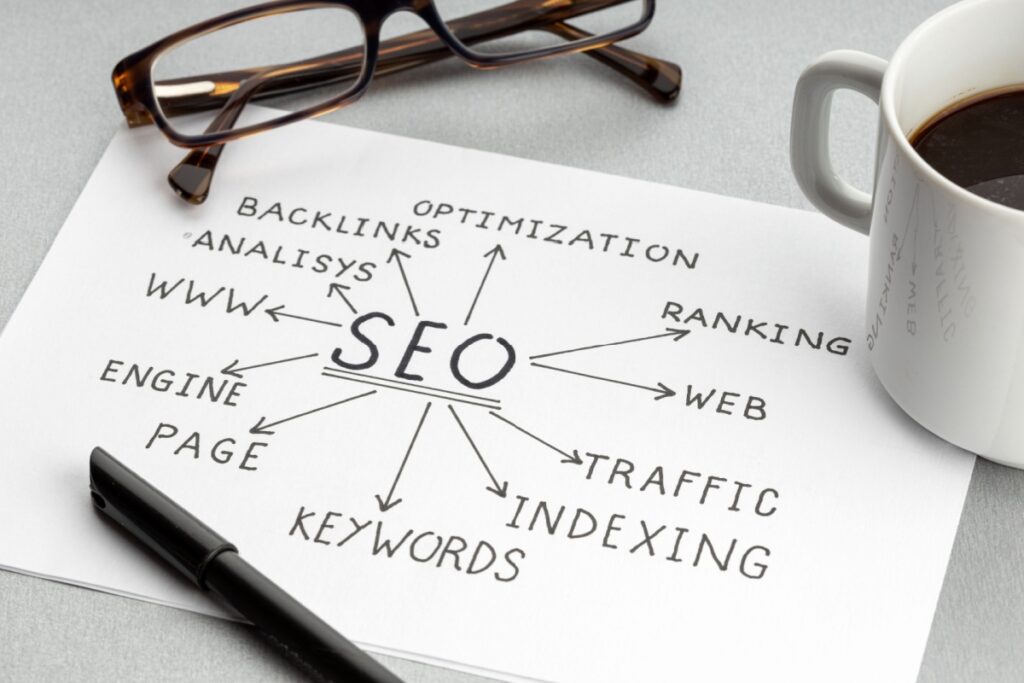
Before getting into GEO, it helps to start with the basics: Traditional search engines like Google and Bing are designed to find, index, and rank content. Their job is to return the best possible results for a user’s search. To do that, they crawl websites, organize information, and rank pages based on relevance and quality signals. Your content appears higher when the search engine sees it as a strong match.
That is where a good SEO strategy comes in. It helps search engines understand that your page is relevant, useful, and worth showing for a specific search. In practical terms, you are signaling that your content is the right answer for the user’s query.
What is SEO in Digital Marketing?
Whether you’re working with an SEO agency or managing it with an in-house SEO expert, the core strategy is usually very similar. At its foundation, SEO services are a set of techniques used to improve a website’s visibility by helping its content rank higher in search engine results. Some of the key areas we typically optimize across your content and website include:
- Keyword strategy: A good seo company will start by identifying the terms your target audience is actually searching for. This research helps us create content that meets people’s needs at each stage of the buying journey.
- Metadata: Strong meta titles and descriptions help search engines better understand your content. They also improve how your page appears in search results, which can increase clicks from the right audience.
- Site speed: A slow site hurts both rankings and user experience. If pages take too long to load, visitors are more likely to leave, so improving speed helps keep people engaged and supports better SEO performance.
- Mobile-friendly design: About 63% of all internet traffic comes from mobile, and the algorithm knows this. So your site needs to work smoothly on phones, not just desktops, if you want to rank higher.
Many businesses think SEO is only about adding keywords to a page. It isn’t. The strongest SEO consultancy work connects content strategy, technical performance, and user experience. If one of those breaks, rankings usually flatten or traffic stops converting.
What Good SEO Performance Looks Like
A good search engine optimization agency will not just tell you that “we rank for a few terms.” It should show you real performance indicators, such as getting steady organic traffic growth, better rankings for target keywords, stronger impressions and clicks, and more leads or sales from search. It should also improve site quality signals over time, such as lower bounce rates and higher engagement.
That is why affordable SEO services can still deliver a strong return when the strategy is executed properly. Even in today’s ever-changing digital world, SEO remains one of the best long-term channels for businesses seeking predictable visibility and measurable growth.
What is GEO in Digital Marketing
With the basics being cleared up, let’s look at GEO. Generative Engine Optimization is very similar to SEO, but the target is different. Instead of trying to influence search rankings, you are trying to increase the chances that an AI model will source, summarize, or recommend your content in a generated answer.
That is a major shift in online marketing because the user journey is changing: Before, a person would search in Google, scan the results, and click into a site. Now, many users ask a chatbot directly or stop at the AI-generated overview at the top of the search page. That means AI filters content before the user ever lands on a website.
Why GEO Is Suddenly Important
Some businesses see fewer website visits and assume AI is “killing SEO.” In reality, what’s happening is a shift in how visibility is earned. AI tools still need to quickly identify useful, relevant content and rely on clear answers and trustworthy sources. In that sense, the core logic is not all that different from SEO.
A practical place to start is by adapting your SEO for generative search. The biggest change is how your content needs to be structured and presented. For example, if your pages are vague, inconsistent, or hard to parse, they become harder for AI to use. However, if your content is clear, well-organized, and authoritative, your chances of being referenced improve.
This is what GEO is in digital marketing. It is quickly becoming part of the visibility strategy for any serious business or growth-focused brand.
How to Successfully Optimize for GEO
With GEO strategies, the goal is to make your content and website as clear and recognizable as possible, so AI models can quickly identify the exact information a user is looking for. In other words, you’re making it easier for the model to find the right answer on your site and use it accurately in its response.
That doesn’t mean AI tools literally copy and paste your content. It means they can more easily interpret, summarize, and reference it within seconds. Some of the most common optimizations used to make your content more attractive to generative engines include:
- Intent-driven content: AI tools read conversational searches, not just short keywords. Effective GEO involves answering real user questions clearly and based on intent.
- Structure made for AI: Generative engines prefer content that is easy to scan and extract. Clear headings, short paragraphs, tables, and FAQs help AI tools find the right answer faster while also improving readability and conversion.
- Clarity and consistency: One of the most overlooked parts of GEO services is brand consistency. Your business name, services, and positioning should match across your website, social profiles, and listings so AI systems can confidently reference you.
- Authority signals: AI tools are more likely to use content that looks credible and specific. Including strong examples and practical details help your content perform better in Generative Engine’s responses.
By tailoring your content not only for human visitors but also for AI models, you increase your website’s visibility, which can yield benefits similar to those of SEO, such as increased conversions and sales for your business.
Difference between SEO and GEO: Side by Side

While SEO and GEO target different platforms and use different techniques, they ultimately serve the same purpose: increasing your business’s online visibility, improving conversions, and driving more revenue.
The table below provides a clear side-by-side comparison of how they both work, helping you decide whether GEO is better than SEO.
| Key Aspect | SEO | GEO |
| Focus | Appear in the top results on a search page | Appear in AI-generated responses, summaries, or recommendations |
| Primary User Interaction | Clicking your link | Reading the brand mention or recommendation from AI |
| Optimization Techniques | Keywords, backlinks, content quality, site health | Intent-driven answers, structured content, clarity, authority |
| Success Metrics | Rankings, visits, organic traffic | AI mentions brand visibility in AI summaries |
| Ultimate Goal / Results | Increase brand awareness and drive more business. | |
Key Takeaway: SEO and GEO work best together.
If you are still wondering how to choose between GEO and SEO, the truth is they work best when combined. The two are not competing strategies but rather two complementary ways to improve visibility and help the right audience find and trust your brand.
If you rely only on traditional SEO services, you may lose visibility in AI-driven search journeys. On the other hand, if you focus only on GEO, you may miss out on rankings and organic traffic that still drive high-intent leads.
Therefore, the strongest approach is to build both together:
- SEO to improve rankings and organic traffic
- GEO to increase AI visibility and recommendation potential
- Conversion-focused content to turn that visibility into booked consultations
Think about it: if you appear on the top page of results and are also referenced in an AI summary, you have double the real estate on that search page, making it more likely for your business to get noticed.
Ready to Improve Your SEO and AI Visibility?
That is exactly where MRKT360 can help.
MRKT360 is a Toronto-based internet marketing company focused on helping businesses improve their online presence. If your content is not structured for modern search behavior, now is the right time to fix it, as competitors are already moving in that direction.
If you want to improve rankings, strengthen AI visibility, and increase lead quality, schedule a consultation with MRKT360. We can help you identify what to keep, what to optimize, and what to rebuild first for the biggest impact.
About MRKT360
MRKT360 is a results-driven digital marketing and solutions agency offering end-to-end services in performance marketing, AI strategy, SEO, GEO, paid media, and IT optimization.
With clients around the world, MRKT360 specializes in future-proofing brands through innovative solutions that align marketing and infrastructure.
Frequently Asked Questions
Is GEO replacing SEO?
No. GEO is not replacing SEO. SEO still drives valuable search traffic and remains essential for long-term visibility. GEO adds a second layer by helping your content appear in AI-generated answers and summaries. The best strategy is to use both.
When should businesses use GEO over SEO?
It usually is not an either-or decision. Businesses should add GEO when their audience is using AI tools to research services, compare providers, or ask detailed questions. SEO should remain active because it continues to support rankings, traffic, and conversions.
What types of content benefit most from GEO?
Pages with a clear structure perform best: service pages, comparison pages, educational blog posts, FAQ sections, and content that directly answers specific user questions. These formats are easier for AI systems to interpret and summarize accurately.
Does GEO require different content optimization techniques?
Yes, but the overlap is strong. GEO still depends on relevance and quality, just as SEO does. The difference lies in the emphasis on clarity, structured formatting, entity consistency, and authority signals that AI tools can quickly parse.
How can businesses prepare for both GEO and SEO?
Start by improving content quality, page structure, and technical site performance. Then make sure your brand information is consistent across your website, listings, and social platforms. A combined strategy works best when content is built for humans and formatted clearly for both search engines and AI tools.
Can Mrkt360 integrate GEO with existing SEO strategies?
Yes. In fact, that is the best path for most businesses. MRKT360 can help you strengthen your current SEO foundation while adapting your content for GEO, improving both search visibility and AI discoverability.