
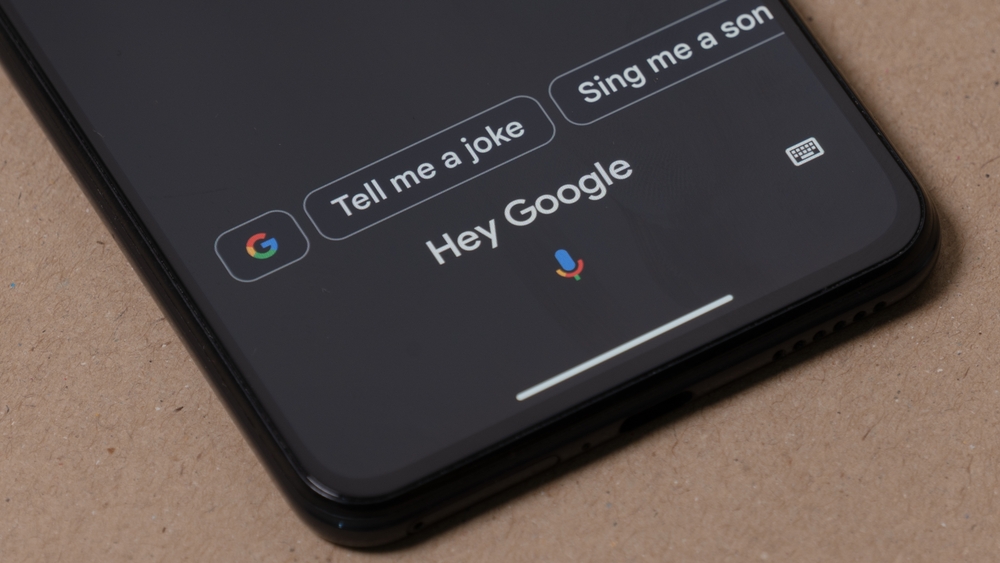
Google Voice Search
What It Is and How It Works
Google Voice Search allows users to search the web, access information, and interact with Google services simply by speaking instead of typing. Whether asking for directions, checking the weather, identifying a song by humming, or looking up quick facts, voice search provides a faster and more natural way to access information across multiple devices.
Originally introduced to make search more convenient on mobile devices, Google Voice Search has evolved alongside advances in artificial intelligence, speech recognition, and natural language processing. Today, it plays an important role in Google’s broader vision of conversational search, enabling users to communicate with technology in ways that feel increasingly similar to everyday conversation.
As voice interactions continue to grow across smartphones, smart speakers, vehicles, and connected devices, understanding how Google Voice Search works provides valuable insight into the future of digital experiences.
What Is Google Voice Search?
Google Voice Search is a feature that enables users to perform Google searches and interact with supported services using spoken language instead of manually entering text.
Rather than typing a query into the search bar, users can tap the microphone icon within the Google app or supported browsers and simply speak their request. Google then converts speech into text, interprets the user’s intent, and returns relevant search results or performs the requested action.
Voice Search supports a wide variety of everyday activities, including:
- Searching for information.
- Finding local businesses.
- Checking weather forecasts.
- Getting navigation directions.
- Playing music.
- Asking factual questions.
- Performing quick calculations.
- Identifying songs through humming or singing.
Because users naturally speak differently than they type, Voice Search is designed to understand conversational language rather than relying only on short keyword-based queries.
Today, it forms part of Google’s broader ecosystem of AI-powered technologies that aim to make information more accessible through natural human interaction.
How Google Voice Search Works
Although using Voice Search feels simple, several advanced technologies work together behind the scenes to understand spoken requests and deliver relevant results.
The process typically begins when a user activates the microphone within the Google app or another supported interface. Google’s speech recognition technology converts spoken words into text, while artificial intelligence analyzes the meaning behind the request rather than simply matching individual words.
This process involves several capabilities working together:
- Automatic speech recognition.
- Natural language processing (NLP).
- Intent recognition.
- Context analysis.
- AI-powered ranking systems.
Instead of focusing solely on literal phrases, Google’s AI attempts to understand what the user is actually trying to accomplish. For example, a request such as “Where’s the closest coffee shop that’s open now?” requires the system to interpret location, timing, and business information before generating an appropriate response.
As Google’s AI models continue improving, Voice Search has become increasingly capable of understanding conversational phrasing, follow-up questions, and more natural speech patterns, creating an experience that feels closer to speaking with another person than interacting with a traditional search engine.
Where Can You Use Google Voice Search?
Google Voice Search is available across multiple devices and platforms, making it easy for users to perform hands-free searches in different situations.
Depending on the device being used, Voice Search can typically be accessed through:
- The Google app on Android.
- The Google app on iPhone and iPad.
- Supported desktop and mobile web browsers.
- Android Auto.
- Compatible smart displays and connected devices.
- Other Google-integrated experiences that support voice interactions.
Although the user experience may vary slightly between devices, the overall goal remains the same: allowing people to search and interact with information using their voice instead of a keyboard.
This flexibility has contributed to Voice Search becoming a common feature for users who are driving, cooking, exercising, multitasking, or simply looking for a faster way to access information.
Common Ways People Use Google Voice Search
Voice Search has become part of many people’s daily routines because it allows users to complete tasks quickly without interrupting what they’re doing.
Some of the most common uses include:
- Finding nearby restaurants or businesses.
- Checking weather conditions.
- Requesting driving directions.
- Looking up definitions or quick facts.
- Solving math calculations.
- Setting reminders or alarms.
- Identifying songs by humming or singing.
- Asking general knowledge questions.
Many users also rely on Voice Search for spontaneous questions that arise throughout the day. Speaking a complete question often feels faster and more intuitive than typing, particularly on mobile devices.
As conversational AI continues advancing, these interactions are becoming increasingly natural, allowing users to communicate with technology using everyday language rather than carefully constructed search queries.
Key Features of Google Voice Search
One of the reasons Google Voice Search has remained widely used is its ability to simplify everyday interactions while continuously incorporating advances in artificial intelligence and speech recognition.
Over the years, Google has expanded Voice Search beyond simple spoken queries by introducing features that make voice interactions more accurate, flexible, and intuitive.
Some of its most notable capabilities include:
- Hands-free searching, allowing users to perform searches without typing.
- Hum to Search, which can identify songs from humming, whistling, or singing.
- Multilingual recognition, enabling the Google app to recognize multiple spoken languages.
- Conversational interactions, making follow-up questions feel more natural.
- Voice commands for common tasks such as checking the weather, setting reminders, or requesting directions.
These features demonstrate Google’s broader effort to make search feel less like interacting with a search engine and more like having a conversation with an intelligent assistant.
Google Voice Search vs. Traditional Search
Although both Voice Search and traditional Google Search aim to help users find information, the way people interact with each is often quite different.
Traditional searches are usually short and keyword-focused. Users tend to type brief phrases such as “best coffee shop Toronto” or “weather Vancouver.”
Voice Search, on the other hand, encourages more conversational language. Instead of typing a few keywords, users often ask complete questions such as:
- “What’s the best coffee shop near me that’s open right now?”
- “How long does it take to drive to the airport?”
- “Who won the Stanley Cup last year?”
Because spoken searches resemble natural conversations, Google places greater emphasis on understanding intent rather than matching exact keywords.
Voice Search also tends to be used in situations where convenience matters most, including driving, cooking, exercising, or multitasking. In these moments, speaking is often faster and safer than typing.
As speech recognition technology continues improving, the distinction between typed and spoken searches is becoming less about the interface and more about the overall user experience.
Why Voice Search Continues to Matter
Voice Search has become an important part of how people interact with technology because it offers speed, convenience, and accessibility across a wide range of situations.
For many users, speaking is simply more efficient than typing—especially when using a smartphone or another connected device. This hands-free experience can also improve accessibility for individuals who may find traditional text input difficult.
Several factors continue driving the adoption of voice search:
- Growing smartphone usage.
- Advances in artificial intelligence.
- Improved speech recognition accuracy.
- Increased use of connected devices.
- Rising demand for more natural digital interactions.
At the same time, voice interactions are helping shape user expectations. People increasingly expect technology to understand conversational language, remember context, and deliver immediate answers with minimal effort.
As these expectations continue evolving, voice search remains an important example of how AI is making digital experiences faster, more intuitive, and more user-centered.
How do I use Google Voice Search?
To use Google Voice Search, open the Google app or a supported browser, tap the microphone icon in the search bar, and speak your query. On compatible devices, you may also be able to activate voice search using a voice trigger such as “Hey Google,” depending on your settings.
Voice Search Is Influencing the Future of Search
Voice Search represents more than a convenient feature—it reflects a broader shift toward conversational search experiences powered by artificial intelligence.
Today’s users are becoming increasingly comfortable asking complete questions rather than typing fragmented keywords. This trend aligns with the evolution of AI-powered technologies such as Google Gemini and Google’s conversational search experiences, where natural language plays a central role in how information is discovered and presented.
As voice interactions continue growing, they are influencing the design of search experiences across mobile devices, smart assistants, and connected platforms. Search is becoming less about entering precise keywords and more about communicating intent in a natural way.
For businesses and marketers, this evolution highlights the importance of understanding how conversational search is changing user behavior. Features such as Google AI Overviews demonstrate how Google is increasingly delivering direct answers, while broader AI experiences continue reshaping search behavior. Businesses interested in improving their visibility in these environments can also explore our guide on SEO for AI Search.
Key Takeaway
Google Voice Search has transformed the way people interact with search by making information accessible through natural, spoken language. Powered by advances in artificial intelligence and speech recognition, it enables users to complete everyday tasks more quickly and intuitively across a wide range of devices.
As conversational technologies continue evolving, Voice Search is becoming part of a broader movement toward more natural digital experiences. Understanding how it works today provides valuable context for the future of search, where voice, AI, and conversational interfaces will play an increasingly important role.
Strategy That Works
Why Businesses Trust Us

Partnership Mentality
We treat your business like our own, aligning strategy with your long-term vision and growth goals.

Accountability First
We stand behind our work. Clear reporting, clear expectations, and a commitment to continuous improvement.

Transparent Communication
You always know what we’re doing, why we’re doing it, and how it’s performing. No confusion. No hidden tactics. Just clarity.
GET STARTED