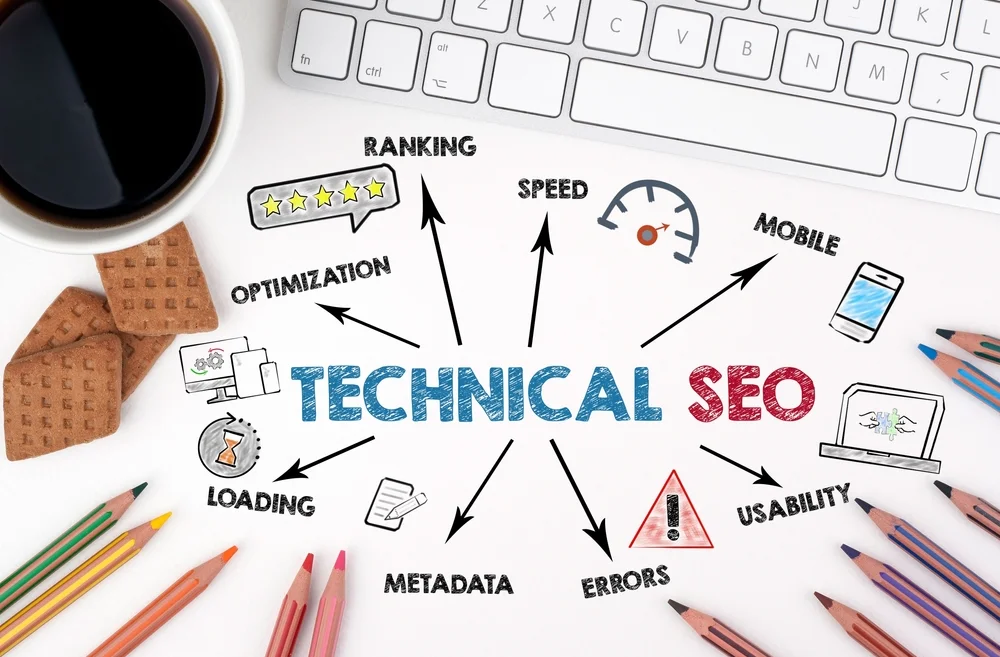

SEO isn’t one-size-fits-all.
A local restaurant trying to appear when someone searches for dinner nearby has very different visibility needs from a software company targeting customers across Canada. Both businesses can benefit from search engine optimization, but the strategies used to reach their audiences won’t necessarily look the same.
That’s where the distinction between local SEO and traditional SEO becomes important.
Both aim to improve organic visibility and connect businesses with relevant searchers. The difference is primarily in where those customers are, what they’re searching for, and which search results matter most to the business.
Understanding that distinction can help you determine whether you need local SEO, a broader organic search strategy, or a combination of both. It can also make it easier to evaluate the recommendations you receive when comparing an SEO company in Canada or deciding which search services are actually relevant to your goals.
What Is Traditional SEO?

Traditional SEO focuses on improving a website’s visibility in organic search results for relevant queries.
The audience may be regional, national, or international depending on the business. What matters is that the strategy isn’t primarily dependent on a searcher’s immediate location.
For example, an ecommerce company selling across Canada may want to rank for searches related to its product categories. A SaaS business might target questions potential customers ask while researching a problem, along with commercial searches related to its software. Neither necessarily needs the customer to be physically close to a store or office.
Traditional SEO generally combines several areas of optimization.
Technical SEO helps search engines crawl, understand, and index the website efficiently. Keyword and search intent research identify the topics and queries that matter to potential customers. Content answers those needs, while internal linking, site architecture, and authority signals help establish relationships between pages and strengthen the website over time.
Strong search engine optimization services Canada should connect these elements rather than treating SEO as simply adding keywords to pages.
The ultimate objective is relevant organic visibility.
More traffic can be useful, but attracting people who are likely to engage, convert, or eventually become customers matters much more than increasing visits for unrelated searches.
What Is Local SEO?

Local SEO focuses on searches where geographic relevance plays an important role in what the user needs.
Think about searches such as:
dentist in Toronto
Italian restaurant near me
Vancouver personal injury lawyer
plumber in Calgary
In each case, the user isn’t simply looking for information about a topic. Location is part of the decision.
Local SEO helps businesses strengthen their visibility for those geographically relevant searches. The strategy can involve the company’s website, location or service-area pages, local content, reviews, business information, local authority signals, and a well-optimized Google Business Profile.
That last element creates one of the clearest differences from broader SEO.
A local business isn’t competing only for traditional organic listings. Depending on the query, users may encounter local results and Google Maps information that can influence which businesses they call, visit, or research further.
This means local SEO needs to consider both the website and the business’s broader local search presence.
Accurate information also becomes especially important. Business name, address, phone number, hours, categories, services, and other relevant details should give customers a consistent understanding of the company wherever they encounter it.
Local SEO vs Traditional SEO: The Main Differences
Local SEO and traditional SEO share many fundamentals, but they emphasize different signals because they are designed to address different types of search behaviour.
| Factor | Local SEO | Traditional SEO |
| Primary intent | Location-based or geographically relevant searches | Broader informational, commercial, or transactional searches |
| Target audience | Customers within a location or service area | Regional, national, or international audiences |
| Important search visibility | Local results, Maps, and organic listings | Primarily organic search results |
| Core assets | Website, location pages, Google Business Profile | Website, content, and broader organic authority |
| Keyword strategy | Often includes geographic and local intent | Focuses primarily on topic and search intent |
| Trust signals | Reviews, business information, local relevance, authority | Content quality, expertise, links, and topical authority |
| Common conversions | Calls, bookings, store visits, local leads | Leads, purchases, sign-ups, or other website conversions |
These aren’t rigid boundaries.
A local business can still benefit from informational content and broader organic rankings, while a national company may have offices or locations that require local optimization.
The strategies frequently overlap.
The difference is where the emphasis needs to be placed to connect the business with the customers it actually serves.
Search Intent Changes the SEO Strategy

One of the easiest ways to understand the difference is to compare two searches around the same topic.
Someone searching:
how to repair a leaking roof
is primarily asking for information.
Someone searching:
roof repair near me
is much more likely to be looking for a company that can solve the problem.
The topic is similar, but the intent is different.
A broader SEO strategy might create an informative guide explaining why roofs leak, how to identify damage, and when professional repairs are necessary. That content can attract users during the research stage and establish expertise around the subject.
Local SEO needs to connect the second searcher with a relevant business in their area.
That may involve an optimized Google Business Profile, a strong service page, accurate business information, reviews, location relevance, and other signals that help search engines understand where the company operates and what it provides.
Geographic modifiers aren’t always explicit either.
Someone doesn’t necessarily need to type a city name or “near me” for a search engine to determine that local results are useful. For queries with strong local intent, location can influence the results even when it isn’t written into the search itself.
This is why a good SEO expert in Canada should evaluate the intent behind a keyword rather than deciding whether it is local based solely on whether it contains a city name.
Local SEO Depends Heavily on Google Business Profile
For businesses that serve customers in specific locations, Google Business Profile can become one of the most important assets in the local search strategy.
It gives Google structured information about the business and gives potential customers a quick way to evaluate it.
Depending on the business, a profile can communicate location, opening hours, contact information, services, categories, photos, reviews, and other details people may need before deciding whether to visit a website or contact the company.
Accuracy is fundamental.
Outdated hours, incorrect contact details, inconsistent business information, or inappropriate categories can create problems for customers and weaken the quality of the business’s local presence.
Reviews are important too, but local SEO shouldn’t be reduced to collecting as many reviews as possible. The overall profile, website, local relevance, reputation, and quality of the business’s search presence need to work together.
The website remains important as well.
A strong Google Business Profile can help customers discover the company, while relevant service and location pages can provide the deeper information needed to understand the offer and take the next step.
Local SEO works best when these assets reinforce one another rather than being managed separately.
Traditional SEO Relies More Heavily on Website Authority and Content

Without a strong geographic component guiding the search results, the website itself becomes an even more important source of relevance and authority.
Traditional SEO needs to demonstrate that the site deserves visibility for the topics it targets.
That requires more than publishing a high volume of articles.
Search intent should guide which pages exist and what each page needs to accomplish. Commercial pages should clearly explain products or services, while supporting informational content can answer related questions and help establish broader topical depth.
Internal linking connects those resources and helps search engines understand their relationships. Technical SEO ensures important pages can be crawled and indexed. External links and other authority signals can further strengthen the website’s position within its market.
This is why comparing SEO firms in Canada based only on how many articles they promise each month can be misleading.
Content production is only one part of a larger organic strategy. The quality of the website, its technical foundation, existing authority, competition, search intent, and the usefulness of the content all influence performance.
Effective SEO services Canada should determine which of those areas needs attention rather than prescribing the same content plan for every website.
Keywords Work Differently in Local and Traditional SEO

Keyword research matters in both strategies, but geography changes how opportunities need to be evaluated.
Traditional SEO might target searches around a product category, industry problem, comparison, definition, or purchasing decision without requiring a specific location.
Local keyword research adds another dimension.
Potential customers may search for a service combined with a city, neighbourhood, or other geographic modifier. They may use “near me” searches or phrases that trigger local results even without explicitly mentioning a location.
That doesn’t mean businesses should create a separate page for every imaginable combination of service and city.
Location pages need a legitimate purpose and useful information. Creating dozens of nearly identical pages with only the city name changed provides little value to customers and can leave a website filled with repetitive content.
Instead, keyword research should reveal how people search for the business and where geographic intent meaningfully changes what they expect to find.
The objective is the same in both traditional and local SEO: understand what the user needs and build the most appropriate search experience around that intent.
The difference is that, in local SEO, where the customer needs it can be just as important as what they’re searching for.
Reviews and Local Trust Signals Matter More in Local SEO

Reviews can influence how potential customers evaluate almost any business, but they take on particular importance when the decision is local.
Someone choosing between nearby restaurants, dentists, contractors, or professional services can encounter ratings and reviews before visiting a company’s website. Those signals provide information about previous customer experiences and can help people decide which businesses deserve further consideration.
A local SEO strategy should therefore include a consistent process for earning genuine reviews and responding to customer feedback.
The goal isn’t simply to accumulate the highest possible number. Businesses should focus on building an authentic review profile over time rather than using incentives or tactics that violate platform policies.
Other local trust signals matter too.
Accurate business information, a complete Google Business Profile, relevant local pages, clear contact information, and consistency across important business listings all help establish a stronger local presence.
Traditional SEO can benefit from many of these trust signals as well. The difference is that reviews and business information are often much closer to the actual conversion decision when someone is looking for a company nearby.
How Technical SEO Supports Both Strategies
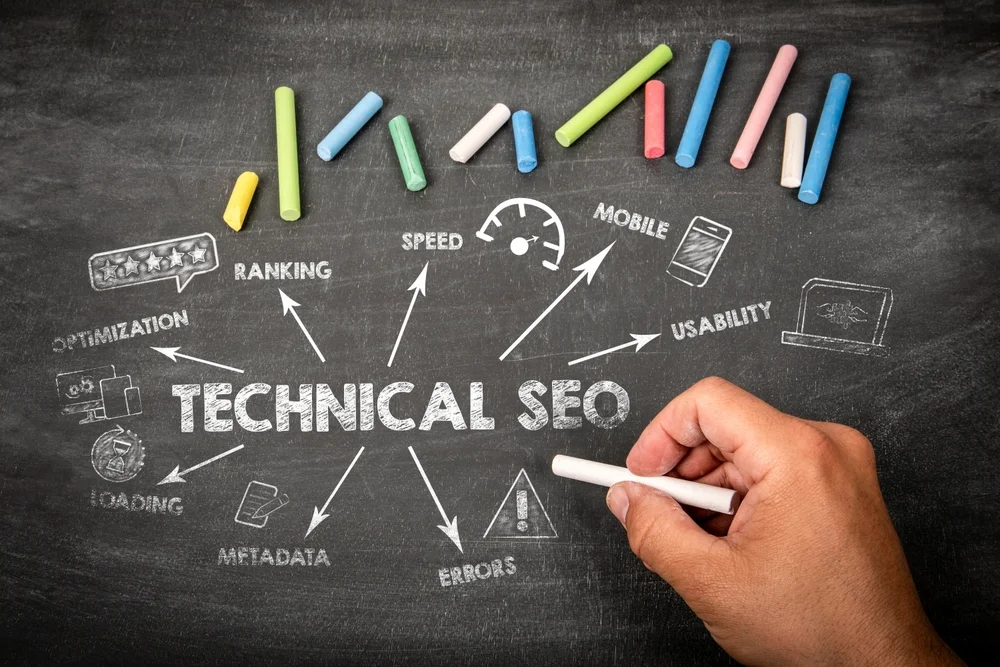
Local and traditional SEO may target different search experiences, but both depend on a technically accessible website.
Search engines need to be able to crawl and index important pages. Site architecture should make key content easy to discover, internal links should establish meaningful relationships between pages, and canonical signals should help search engines identify the correct versions of similar URLs.
Mobile performance deserves particular attention for local businesses because customers may search while they’re away from a desktop and need quick access to information such as services, directions, hours, or contact options.
Technical SEO also becomes increasingly important as websites grow.
A multi-location business, for example, may have individual pages for different stores, offices, or service areas. Those pages need a logical structure and enough unique information to serve customers rather than becoming a collection of nearly identical URLs.
Structured data can provide additional machine-readable context when appropriate, but it doesn’t replace the information visible on the website or guarantee higher rankings.
Whether you’re investing in local optimization or broader search engine optimization services Canada, technical SEO provides the foundation that allows the rest of the strategy to function effectively.
Does Your Business Need Local SEO, Traditional SEO, or Both?

The answer depends primarily on where your customers are and how they search for what you offer.
A restaurant, dental practice, salon, local contractor, or physical store typically has a strong local component because proximity affects the customer’s decision. Appearing for relevant searches within the service area can be much more valuable than generating traffic from users across the country.
An ecommerce company shipping nationally has different priorities. It may need to compete for product, category, and informational searches across Canada rather than concentrating heavily on local visibility.
SaaS businesses and other companies that deliver products or services without requiring geographic proximity will often place greater emphasis on traditional SEO as well.
Many businesses fall somewhere in the middle.
A law firm might need strong local visibility for people searching for legal services in its city while also publishing authoritative content that attracts broader informational searches. A multi-location business may need national website authority alongside individual local strategies for each location. A professional services company could target clients across Canada while maintaining local visibility around its physical offices.
| Business Type | Likely SEO Focus |
| Restaurant or local retailer | Primarily local SEO |
| Dentist or healthcare practice | Primarily local SEO + supporting organic content |
| Local contractor | Local SEO + traditional SEO |
| Multi-location company | Local SEO + broader traditional SEO |
| National ecommerce business | Primarily traditional SEO |
| SaaS company | Primarily traditional SEO |
| Professional services firm | Often a combination of both |
These are starting points rather than fixed rules.
A good SEO company in Canada should examine the business model, target markets, search results, competition, and customer journey before recommending how much emphasis to place on either strategy.
Local SEO vs Traditional SEO: What Should You Measure?
Rankings can help track search visibility, but neither local nor traditional SEO should be judged by rankings alone.
For local SEO, measurement should reflect the actions potential customers take after discovering the business. Depending on the company, this might include calls, appointment requests, bookings, website conversions, direction requests, or qualified local leads.
Google Business Profile performance can provide additional context around how people interact with the business through local search.
Traditional SEO may place greater emphasis on organic traffic, conversions, qualified leads, ecommerce revenue, non-branded search visibility, and the performance of strategically important landing pages.
The exact KPIs should reflect the business objective.
A keyword moving from position eight to position three can be encouraging, but its business impact depends on whether that increased visibility produces relevant traffic and meaningful actions.
The same principle applies to local visibility. Appearing prominently for searches outside a company’s actual service area may look impressive in a report while creating very little business value.
An experienced SEO expert in Canada should be able to connect search performance with outcomes rather than reporting visibility in isolation.
Common Mistakes When Choosing an SEO Strategy
Local and traditional SEO overlap enough that businesses sometimes apply tactics from one without considering whether they match the actual search intent.
Some of the most common problems include:
- Targeting broad national keywords when customers are primarily local. High search volume doesn’t necessarily mean the audience is relevant to the business.
- Creating large numbers of nearly identical city pages. Location pages should provide genuine value rather than changing only the place name.
- Ignoring Google Business Profile. For businesses dependent on local customers, the website is only one part of the search presence.
- Treating local SEO as review management alone. Reviews matter, but so do relevance, website quality, business information, local pages, and other search signals.
- Publishing content without considering search intent. A high volume of articles won’t compensate for content that doesn’t match what potential customers need.
- Ignoring technical SEO. Content and local optimization both depend on search engines being able to access and understand important pages.
- Assuming you must choose only one strategy. Many businesses need local and traditional SEO working together.
The best approach starts with the customer rather than the label attached to the strategy.
Where are they searching? What do they need? Does location influence the decision? And what type of search result are they likely to encounter?
Those answers should determine the SEO mix.
The Right SEO Strategy Depends on Where Your Customers Search

The difference between local SEO and traditional SEO isn’t that one is more advanced or more effective than the other.
They solve different search visibility problems.
Local SEO is designed for businesses where geography affects customer decisions. Traditional SEO addresses broader organic opportunities where relevance, content, authority, and search intent matter more than physical proximity.
For many businesses, the strongest strategy combines both.
A company can build broader authority through useful content while strengthening local visibility around the markets it serves. Local landing pages can capture geographic demand while informational resources answer questions customers ask earlier in their journey.
The balance should reflect how the business actually acquires customers.
That’s why choosing among SEO firms in Canada should involve more than asking which packages they offer. A prospective agency should be able to explain which search opportunities matter to your company, whether local intent is present, and how each recommendation connects to measurable business goals.
Build the Right SEO Strategy with MRKT360

Your SEO strategy should reflect how your customers search, where they’re located, and what they need before choosing your business.
MRKT360 provides SEO services Canada businesses can use to strengthen local and broader organic visibility. From technical SEO and content strategy to local optimization, keyword research, and ongoing performance analysis, our approach starts with the search opportunities that matter to your market.
Whether your priority is reaching customers in a specific service area, growing organic visibility across Canada, or combining both approaches, our SEO services can help build a strategy around your audience and business objectives.
Work with an SEO company in Canada that looks beyond rankings and connects search visibility with the customers, leads, and conversions your business is trying to reach.
About MRKT360
MRKT360 is a results-driven digital marketing and solutions agency offering end-to-end services in performance marketing, AI strategy, SEO, GEO, paid media, and IT optimization.
With clients around the world, MRKT360 specializes in future-proofing brands through innovative solutions that align marketing and infrastructure.
FAQs About Local SEO vs Traditional SEO
What is the main difference between local SEO and traditional SEO?
The main difference is geographic intent.
Local SEO focuses on helping businesses reach customers searching within a particular location or service area. Traditional SEO generally targets broader organic searches where the user’s physical location isn’t the primary factor determining what they need.
The two strategies still share important fundamentals, including technical SEO, search intent, useful content, internal linking, and website authority.
Is local SEO the same as regular SEO?
No, although local SEO is part of the broader search engine optimization discipline.
Traditional SEO generally focuses on improving website visibility across organic search results, while local SEO places additional emphasis on geographic relevance, Google Business Profile, local search results, reviews, business information, and location-specific search intent.
Businesses with physical locations or defined service areas may need both approaches.
Do I need local SEO if I already use traditional SEO?
You may need local SEO if customers need to be within a particular geographic area to purchase your products or services.
A website can perform well organically and still have opportunities to improve its visibility for local searches. Restaurants, healthcare providers, contractors, professional services, retailers, and other location-dependent businesses are common examples.
If geography doesn’t significantly affect who can become a customer, traditional SEO may deserve greater emphasis.
Can local SEO and traditional SEO work together?
Yes. Many businesses benefit from combining the two.
A local service company, for example, can optimize its Google Business Profile and service-area pages while also publishing useful informational content that builds broader organic authority. A multi-location company can develop strong national content while maintaining individual local strategies for its locations.
The right balance depends on how customers discover and choose the business.
Does traditional SEO use Google Business Profile?
Google Business Profile isn’t usually a central component of traditional SEO because broader organic strategies primarily focus on website visibility.
However, a business can use traditional SEO while also maintaining a Google Business Profile. This is particularly common for companies that target broader regional or national audiences but also operate physical offices or locations.
The presence of a Google Business Profile doesn’t determine which SEO strategy a company uses.
What businesses benefit most from local SEO?
Businesses that depend heavily on customers within specific locations or service areas are usually strong candidates for local SEO.
Examples include restaurants, retailers, dentists, healthcare practices, lawyers, salons, home service providers, contractors, automotive businesses, and other companies where proximity influences the customer’s decision.
Multi-location businesses can also use local SEO to strengthen visibility around each legitimate location.
What businesses benefit more from traditional SEO?
Businesses that can serve customers regardless of their immediate location often place greater emphasis on traditional SEO.
Ecommerce companies, SaaS providers, online platforms, publishers, and companies targeting national or international markets are common examples.
However, business type alone doesn’t determine the strategy. Search behaviour, competition, target markets, and customer acquisition goals should also be considered.
Are local SEO keywords different from traditional SEO keywords?
They can be.
Local SEO frequently targets searches with geographic intent, including service-and-location combinations such as “accountant in Toronto” or searches containing phrases such as “near me.”
Traditional SEO keywords may target broader informational, commercial, or transactional intent without requiring a particular location.
Not every local query contains an explicit geographic term, so keyword research should consider the search results and user intent rather than relying only on the wording of the keyword.
Are reviews important for local SEO?
Reviews can be an important part of a local business’s search presence and can strongly influence how potential customers evaluate their options.
Businesses should focus on earning authentic customer feedback and responding appropriately rather than trying to manipulate review volume or ratings.
Reviews should also be considered alongside other elements of local SEO, including Google Business Profile optimization, accurate business information, website quality, local relevance, and useful service or location pages.
Does local SEO require location pages?
Not every local business needs multiple location pages.
A business with several legitimate physical locations may benefit from dedicated pages that provide useful information about each one. Companies serving distinct geographic markets may also have legitimate reasons to create location-specific content.
However, creating dozens of nearly identical pages simply to target combinations of services and city names can produce repetitive content with little value for users.
Each location page should have a clear purpose beyond ranking for a geographic keyword.
How long does local SEO take compared with traditional SEO?
There is no universal timeline for either strategy.
Results can depend on existing website authority, competition, technical health, location, industry, content quality, the strength of the business’s local presence, and the amount of work required.
Some improvements may become visible relatively quickly, while more competitive organic growth can take considerably longer. Businesses should evaluate progress over time using relevant visibility and conversion metrics rather than expecting a guaranteed ranking within a specific number of weeks or months.
How do I choose between local SEO and traditional SEO?
Start with your customers.
Consider where they are located, whether proximity affects their purchasing decision, what they search for, and which types of search results appear for those queries.
If customers primarily need a nearby business or service provider, local SEO should likely play an important role. If your company serves customers across broader markets without a strong geographic dependency, traditional SEO may deserve more attention.
If both types of searches contribute to customer acquisition, you don’t necessarily need to choose. A combined strategy may be the more appropriate approach.