PPC Advertising
Understanding Pay-Per-Click in Modern Digital Marketing
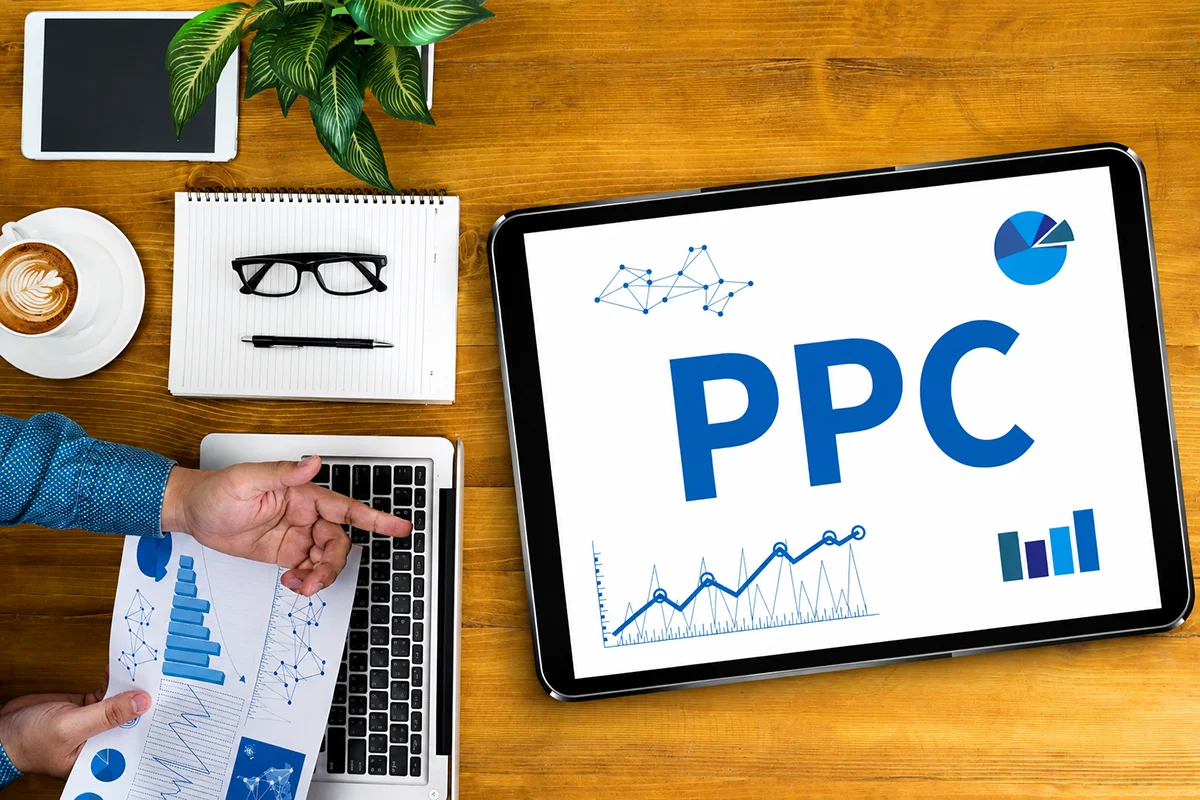
PPC (Pay-Per-Click) is one of the most widely used forms of digital advertising, allowing businesses to pay only when users interact with their ads. Unlike organic marketing channels that often require time to generate results, PPC provides immediate visibility by placing businesses in front of potential customers at the moment they are searching, browsing, or engaging online.
Over the past two decades, PPC has evolved from simple text advertisements on search engines to a sophisticated ecosystem that includes search, social, shopping, display, and video advertising. Today, businesses can reach highly specific audiences across platforms such as Google, Microsoft Advertising, LinkedIn, Meta, and YouTube while measuring performance with remarkable precision.
As digital competition continues to increase, PPC remains an important component of modern marketing strategies. Its combination of speed, flexibility, and measurable outcomes makes it one of the most effective channels for generating traffic, leads, and revenue across industries.
What Is PPC Advertising?
PPC stands for Pay-Per-Click, an advertising model in which businesses pay a fee whenever someone clicks on their advertisement. Instead of relying exclusively on organic visibility, advertisers invest directly in placements that help them reach their target audience more quickly.
Although PPC is commonly associated with Google Ads, the model extends far beyond search engines. Businesses can run PPC campaigns across a variety of platforms, including social media networks, ecommerce marketplaces, and display advertising networks.
Some of the most common examples of PPC advertising include:
- Search advertisements
- Display banner ads
- Shopping campaigns
- Social media advertisements
- Video advertising campaigns
- Remarketing initiatives
The fundamental principle remains the same regardless of platform: advertisers pay for user engagement rather than simply paying for visibility.
This model offers several advantages. Businesses maintain greater control over budgets, can target specific audiences, and receive immediate feedback on campaign performance. As a result, PPC has become a cornerstone of digital marketing strategies for organizations of all sizes.
How much does PPC cost?
PPC costs vary significantly depending on factors such as industry competition, target keywords, audience targeting, and advertising platforms. Some businesses may spend only a few dollars per click, while highly competitive industries can see significantly higher costs.
Because advertisers maintain control over budgets, PPC campaigns can often be scaled according to business needs and objectives.
What is PPC in social media?
PPC in social media refers to paid advertisements that appear on platforms such as Facebook, Instagram, LinkedIn, TikTok, and X. Unlike search advertising, which targets user intent through keywords, social PPC primarily relies on demographics, interests, behaviors, and audience targeting to reach potential customers.
Social PPC is frequently used for brand awareness, customer acquisition, and remarketing initiatives.
Why PPC Is Important for Businesses
One of PPC’s greatest strengths is its ability to deliver immediate results. While channels such as SEO can take several months to build momentum, PPC campaigns can begin generating traffic shortly after launch.
This speed makes PPC particularly valuable for businesses that want to:
- Launch new products or services.
- Generate leads quickly.
- Support seasonal promotions.
- Test new markets.
- Increase brand visibility.
- Complement existing marketing efforts.
Beyond speed, PPC offers a level of precision that few other channels can match. Businesses can target users based on keywords, geographic location, demographics, interests, devices, and even previous interactions with their brand.
Another significant advantage is measurement. Modern PPC platforms provide detailed reporting on impressions, clicks, conversions, costs, and revenue, allowing businesses to understand exactly how their advertising investments are performing.
PPC also works exceptionally well alongside other marketing initiatives. For example, organizations often combine PPC with SEO to balance short-term traffic acquisition with long-term organic growth. Businesses interested in this relationship may also benefit from exploring Google Ads vs SEO, which examines how these channels complement one another.
How PPC Advertising Works
Although PPC platforms vary in their capabilities, most campaigns operate through automated auction systems. Whenever a user performs a search or meets specific targeting criteria, advertising platforms evaluate competing ads to determine which ones should appear.
Several factors influence this process, including:
- Bid amount
- Ad relevance
- Quality Score
- Expected click-through rate
- Landing page experience
- Audience signals
For example, in Google Ads, advertisers bid on keywords related to their products or services. However, the highest bid does not automatically win. Search engines also consider the quality and relevance of advertisements when determining placement.
This combination of bidding and quality creates a more balanced advertising environment where businesses can compete effectively without simply outspending competitors.
At a high level, PPC advertising follows a relatively straightforward process:
- Businesses define campaign objectives.
- They select keywords or audience targeting parameters.
- Advertisements are created and launched.
- Platforms deliver ads to relevant users.
- Advertisers pay when users click.
- Campaign performance is measured and refined over time.
Although the process appears simple, successful PPC management often requires ongoing analysis, testing, and optimization to maximize return on investment.
Organizations looking for a deeper understanding of Google’s advertising ecosystem may also explore How Google Ads Works, which provides a more detailed explanation of search advertising and Google’s auction system.
The Most Common Types of PPC Ads
PPC advertising extends across multiple digital channels, each serving different business objectives and stages of the customer journey.
Search Ads
Search ads appear directly within search engine results pages when users enter relevant queries. Because they capture existing demand, they are often associated with higher purchase intent and strong conversion potential.
Display Ads
Display advertising uses visual banners and graphics that appear across websites, applications, and advertising networks. These campaigns are commonly used for brand awareness and remarketing initiatives.
Shopping Ads
Shopping campaigns display product information such as images, prices, and reviews directly within search results. They are particularly effective for ecommerce businesses seeking to increase product visibility.
Social Media Ads
Social PPC campaigns appear across platforms such as Facebook, Instagram, LinkedIn, and TikTok. Unlike search advertising, social PPC focuses more heavily on audience targeting and discovery.
Video Ads
Video advertising continues to grow in popularity across platforms like YouTube and connected television environments. These campaigns can support both awareness and performance objectives depending on their execution.
Understanding the strengths of each format helps businesses develop more comprehensive advertising strategies while ensuring campaigns align with specific marketing goals.
PPC and Google Ads: Understanding the Relationship
Many people use the terms “PPC” and “Google Ads” interchangeably, but they are not the same thing. PPC refers to the advertising model itself, while Google Ads is one of the platforms that uses that model.
In other words, all Google Ads search campaigns are PPC campaigns, but not all PPC campaigns take place on Google.
Today, businesses can run PPC campaigns across several platforms, including:
- Google Ads
- Microsoft Advertising
- Meta Ads
- LinkedIn Ads
- Amazon Ads
- YouTube Ads
Google remains the largest PPC platform because of its ability to capture search intent. Users actively searching for products or services often represent high-value opportunities for businesses, making search advertising particularly effective for lead generation and direct response campaigns.
However, PPC extends beyond search. Social platforms leverage audience targeting, ecommerce platforms focus on product visibility, and display networks prioritize awareness and remarketing. Together, these channels form a much broader PPC ecosystem.
Businesses interested in Google’s advertising platform may also benefit from exploring Google Ads and How Google Ads Works, both of which provide a more detailed look at campaign types, bidding strategies, and platform capabilities.
PPC Keyword Research and Targeting
Successful PPC campaigns begin with understanding who businesses want to reach and how those audiences search for information online.
Keyword research remains an important component of search advertising because it helps advertisers identify the terms users enter when looking for products, services, or solutions. However, modern PPC strategies increasingly combine keyword targeting with audience signals, geographic targeting, device preferences, and behavioral insights.
Effective targeting often considers factors such as:
- Search intent.
- Geographic location.
- Audience demographics.
- Device usage.
- Time of day.
- Previous website interactions.
Rather than targeting every available keyword, businesses should prioritize terms that align closely with their objectives and customer needs. High-intent searches often produce better results than broader, more competitive keywords because they indicate stronger purchasing intent.
Audience targeting has also become increasingly sophisticated across social and display platforms. Businesses can now reach users based on interests, behaviors, lookalike audiences, and previous engagement with their brand, creating more personalized advertising experiences.
PPC Campaign Management
Launching a PPC campaign is only the beginning. Sustained success typically requires ongoing management to ensure campaigns continue supporting business objectives as markets, competitors, and customer behaviors evolve.
PPC campaign management often includes:
- Budget allocation.
- Audience management.
- Performance monitoring.
- Creative testing.
- Bid adjustments.
- Reporting and analysis.
Modern advertising platforms provide significant automation capabilities, but human oversight remains important. Businesses must still evaluate campaign performance, interpret results, and make strategic decisions based on broader marketing goals.
Campaign management also extends beyond individual advertisements. It involves understanding how PPC contributes to larger initiatives such as lead generation, customer acquisition, and long-term revenue growth.
Organizations looking for a deeper understanding of ongoing campaign execution may also explore Paid Media Management Services and Paid Media Analytics, both of which examine how businesses can manage and evaluate advertising performance more effectively.
Why PPC Continues to Matter in 2026
Despite rapid changes in digital marketing, PPC remains one of the most effective methods for generating measurable business results.
Several factors continue to contribute to its importance:
- Immediate visibility.
- Highly targeted audience reach.
- Measurable performance.
- Flexible budgeting.
- Scalability across channels.
- Compatibility with AI-driven advertising systems.
Artificial intelligence has also changed how PPC campaigns operate. Platforms increasingly use machine learning to optimize bidding, identify audiences, and improve campaign delivery in real time. While these technologies continue to evolve, the fundamental value proposition of PPC remains unchanged: connecting businesses with relevant audiences efficiently.
Additionally, PPC plays an important role alongside other marketing channels. Businesses frequently combine PPC with SEO, email marketing, and content strategies to create more comprehensive customer acquisition programs.
As digital ecosystems become increasingly competitive, PPC continues to provide organizations with a reliable way to capture demand, test new initiatives, and generate measurable results.
Why MRKT360 for PPC Advertising
At MRKT360, we help businesses develop PPC strategies that align with broader marketing objectives and support sustainable growth. Our approach combines campaign planning, audience targeting, creative development, and performance analysis to maximize the effectiveness of advertising investments across multiple platforms.
Whether the goal is increasing leads, driving sales, or expanding into new markets, we create PPC strategies designed to deliver measurable business outcomes while supporting long-term success.
By integrating Google Ads, Paid Media Campaigns, Paid Media Management Services, and Paid Media Analytics, we help organizations build advertising programs that remain effective in an increasingly competitive digital environment.
Key Takeaway
PPC remains one of the most effective and measurable forms of digital advertising available today. By allowing businesses to pay only when users interact with their advertisements, it provides a flexible and scalable way to generate traffic, leads, and revenue across multiple channels.
Whether through search, social, display, or shopping campaigns, PPC continues to play a central role in modern marketing strategies. Businesses that combine strong targeting, thoughtful campaign management, and continuous performance analysis are best positioned to maximize the value of their advertising investments in 2026 and beyond.
Strategy That Works
Why Businesses Trust Us
Partnership Mentality
We treat your business like our own, aligning strategy with your long-term vision and growth goals.

Accountability First
We stand behind our work. Clear reporting, clear expectations, and a commitment to continuous improvement.
Transparent Communication
You always know what we’re doing, why we’re doing it, and how it’s performing. No confusion. No hidden tactics. Just clarity.
GET STARTED