


12 PPC Trends To Look Out For in 2026
If Pay-Per-Click (PPC) advertising has felt “different” lately, you’re not imagining it. In 2026, paid media is being reshaped by AI-assisted platforms, evolving privacy rules, and new ways people search (voice, visuals, even AI answers). For businesses in Vaughan, Richmond Hill, Toronto, and across Canada, this isn’t about chasing shiny objects; it’s about staying efficient while the playing field changes.
If you’ve been wondering what PPC strategies will deliver better ROI in 2026, then you’re in the right place. In today’s article, we’ll let you in on which Pay-per-Click PPC and digital marketing trends for 2026 that matter most right now, how to take advantage of them for your business, and how to partner with the right PPC marketing agency for when you need extra help.
1. AI Tools Save Time, But They Still Need Babysitting
How is AI affecting PPC campaign management?
It is true that AI can speed up ad creation and optimization, but it’s not a substitute for human judgment. Automated suggestions may push budgets, broaden targeting, or create copy that sounds “technically fine” while missing the point (or your brand voice). That’s why strong teams treat AI like a helpful junior, but not the decision-maker.
Google told Business Insider that it continues to expand AI-powered ad capabilities, and adoption is already widespread among advertisers. The opportunity is real, but so is the risk of letting automation optimize for the wrong thing, for example, increasing click volume instead of getting you qualified leads.
If you’re working with a PPC management agency, ask how they review and validate automated changes, not just whether they “use AI.” This way, you can avoid the buzz that comes with new tech and get the most out of the efficiency of AI + the expertise of human knowledge.
2. Privacy & Consent Are Reshaping Tracking
Measurement is getting more honest. Whether cookies are restricted or policies shift again, the direction is clear: relying on passive third-party signals is no longer enough. About this, Google has provided guidance to advertisers on preparing for reduced third-party cookie utility and on supporting key ad use cases with privacy-preserving approaches.
Our expert tip? Invest in consent-based tracking and first-party data. That means clean conversion actions, stronger lead capture, and tighter alignment between ad clicks and real business outcomes. Not only will you decrease your reliance on third-party data, but you will also get more accurate data points on how your business’s PPC advertising is actually doing.
If you are working with an agency, this is also where good PPC management services stand out. A good partner will build and update your campaigns around what you can reliably measure, not just on “what already works”.
3. Ads In AI-based Search Experience
You may already be familiar with the AI-generated results that appear at the top of the page when you look for anything on Google nowadays. Well, Google is already placing ads in and around AI Overviews, and it has explicit documentation on when and how ads can appear in those experiences.
The main shift here is visibility and placement: even if your campaigns are running well, your ads may be shown in a different context, closer to summarized answers and comparison-style results. That means your ad copy needs to be clearer, more direct, and easier to understand at a glance.
If your current PPC marketing strategy is only built for classic search ads, you’re leaving future visibility to chance. The brands that win will be the ones that focus on fast trust signals (proof, specifics, clear offers) and landing pages that immediately support the promise in the ad.
4. Keyword Targeting Isn’t Enough, Intent Is
In 2026, Keywords still matter, but they’re only the entry point. With the growing trend of natural conversational search, driven by users increasingly utilizing AI tools for searching, correctly identifying user intent has become a must.
Intent-based PPC is about identifying what the searcher is trying to do, not just what they typed. Are they comparing options? Looking for pricing? Trying to solve an urgent problem? Ready to book?
This trend is about campaign structure and decision-making: grouping keywords by intent, tailoring ad messages to that intent, and aligning landing pages to the specific outcome the user wants. When campaigns are built on intent, your ads feel more relevant, and relevance is what drives stronger click-through and conversion rates over time.
If you’re struggling to choose between PPC marketing providers, a good test is to ask each agency how they separate “research” vs. “ready-to-buy” traffic, and how they change messaging and landing pages for each. If everything is treated the same, you’ll know that your campaigns will likely underperform with them.
5. Hyper-Personalization Is Scaling with AI
This is a different shift: not where ads appear or how you target, but how your message adapts to different people at scale. Platforms are getting better at combining headlines, creatives, and landing page paths based on signals like behavior, audience segments, and funnel stage.
The upside is efficiency: the right person sees the right angle. The downside is sameness, as automation can flatten your brand if it’s fed generic assets. The fix is a creative system that produces real variety: different hooks, proof points, and offers that still feel consistent.
Hyper-personalization works best when it still feels human. The goal isn’t to look “AI-generated but optimized,” it’s to feel specific and relevant, like you understand what the customer actually cares about. If you are working with an agency with strong PPC management, you’ll notice their work is less like “ automated campaign maintenance” and more like a creative + testing system.
6. Visual Search Is Growing & Fast
People don’t only type searches anymore, they point a camera or use a photo. According to Google, more than 1.5 billion people use Lens each month to search what they see. Other platforms like SHEIN and Pinterest allow users to search for clothes or inspiration directly by similar images, impacting many industries.
The shift from text-based searches to text + visual searches impacts PPC in two ways: (1) product and service discovery is becoming more visual, and (2) your images, feeds, and landing pages matter more than ever.
If your offer relies on visuals (retail, home services, aesthetic results), visual-first assets aren’t optional anymore, as search engines can use them to showcase you to the right customer. Moreover, if you’re running paid ad campaigns in Canada, it’s worth treating visuals as performance marketing assets rather than just decoration.
7. Short-Form Video Is Now Built for Performance
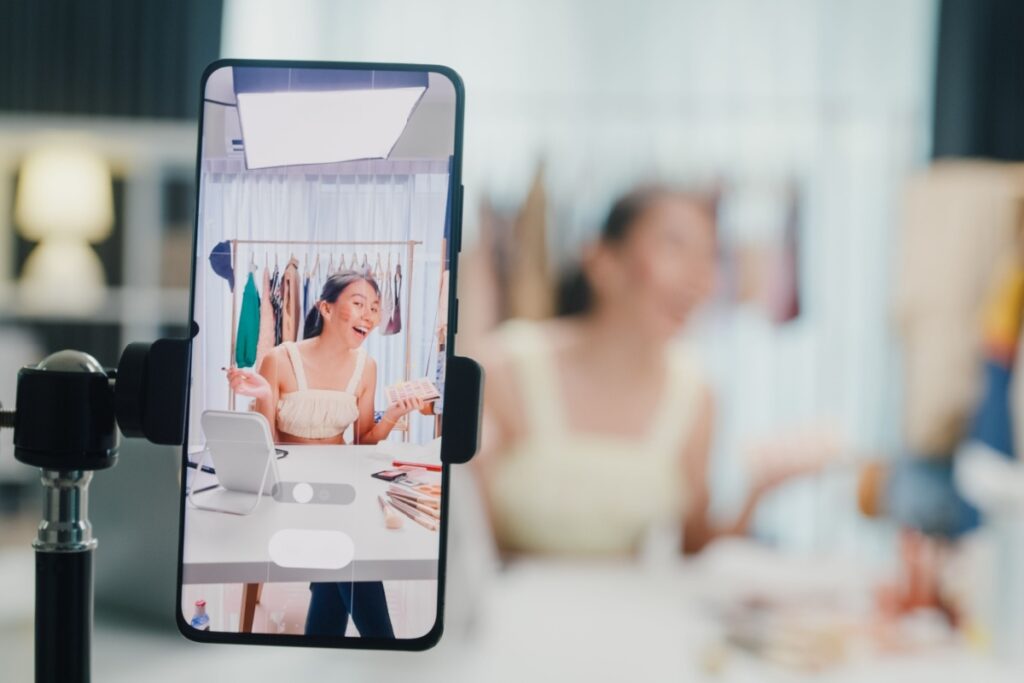
Short-form video, such as Reels, Shorts, and TikTok, has moved beyond “just awareness.” This is one of the biggest trends for Facebook Ads in 2026. These platforms are where people discover brands and make quick decisions, which makes video one of the most efficient ways to test what actually gets attention: your hook, your offer, and your messaging angle; then carry the winners into retargeting and even search ads.
The brands getting results aren’t chasing perfect production. They run a simple, repeatable process: launch multiple variations, watch what holds attention and drives clicks, then double down with strong CTAs and landing pages that deliver exactly what the video promised. Done right, short-form becomes a reliable testing engine, not a gamble.
And if social PPC hasn’t worked for you, the issue is often less about targeting and more about the ad itself, especially the first few seconds, the clarity of the offer, and whether the creative feels relevant to the audience.
8. Omnichannel PPC Is Becoming The Baseline
PPC isn’t “just Google” (or any other search engine) anymore. The buyers you want bounce between search, social, video, and marketplaces before they convert. Market forecasts continue to point to ongoing digital ad growth in 2026, reinforcing the view that competition will remain intense.
The opportunity is coordination: one message across the different platforms, followed by user intent. Someone might first see a short video on TikTok, then search your brand on Google, and finally convert through retargeting on Instagram. When your channels work together, they push users towards conversion, and your ROI improves.
When working with a PPC services agency, it is crucial that their offering includes cross-platform planning, not working on each platform individually, or worse, focusing only on one platform.
9. SEO + PPC Integration Keeps Paying Off
This will remain true in 2026: SEO and PPC work better together.
PPC tells you what converts now, SEO compounds visibility over time, and both improve when landing pages are aligned to real customer questions.
This is especially useful as search experiences evolve. If AI summaries change click behavior, you want multiple paths to visibility: paid placements, organic rankings, and strong brand signals. PPC can also help you validate which topics deserve long-term SEO investment.
If you’re working with a PPC management agency, ask whether they collaborate with SEO (or at least share insights). It’s one of the easiest competitive advantages.
10. Creative Makes Or Breaks Social Media Campaigns’ Performance
A strong offer can still fail on social if the creative doesn’t earn attention fast. Performance is often decided before a user ever reads the headline, by whether the first glance tells them “this is for me.” That’s why high-performing PPC teams behave like creative strategists: they test multiple angles, rotate fresh concepts, and build ads around real objections, not generic claims.
There’s also hard evidence that creative quality is a primary driver of outcomes. Nielsen’s analysis has repeatedly emphasized the creative’s outsized impact on advertising effectiveness, showing strong creatives can dominate what drives in-market success.
In practical terms, better PPC management means a repeatable creative system: clear messaging pillars, consistent production, and a testing cadence that doesn’t stall. When creatives are treated as ad optimization strategies, results become more stable and less dependent on algorithm luck.
11. Top-Of-Funnel PPC Is Essential For Newer Brands
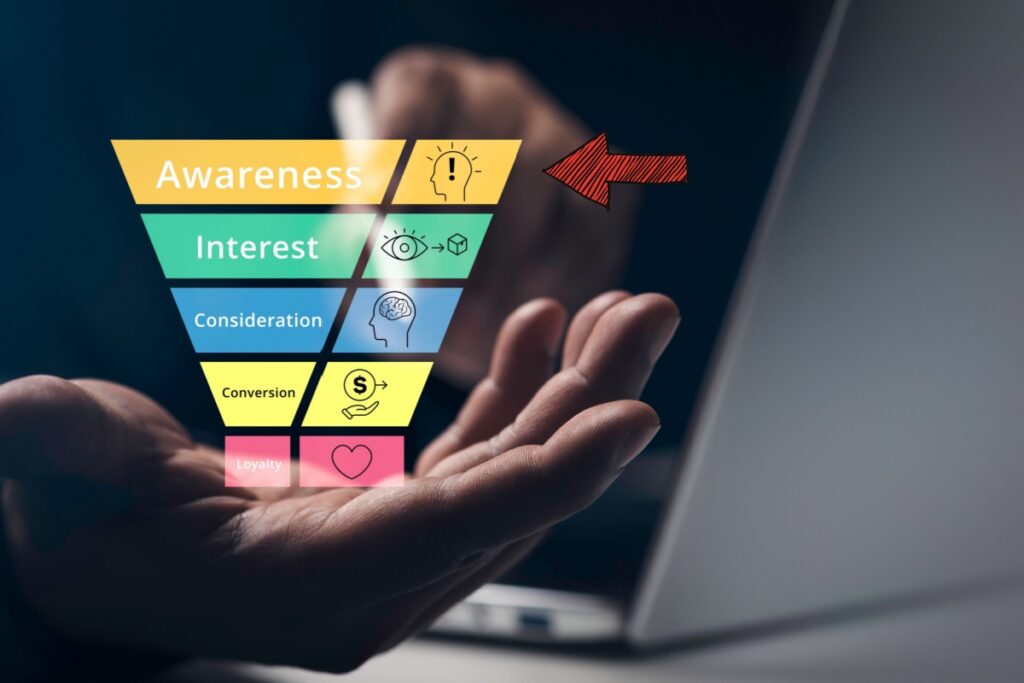
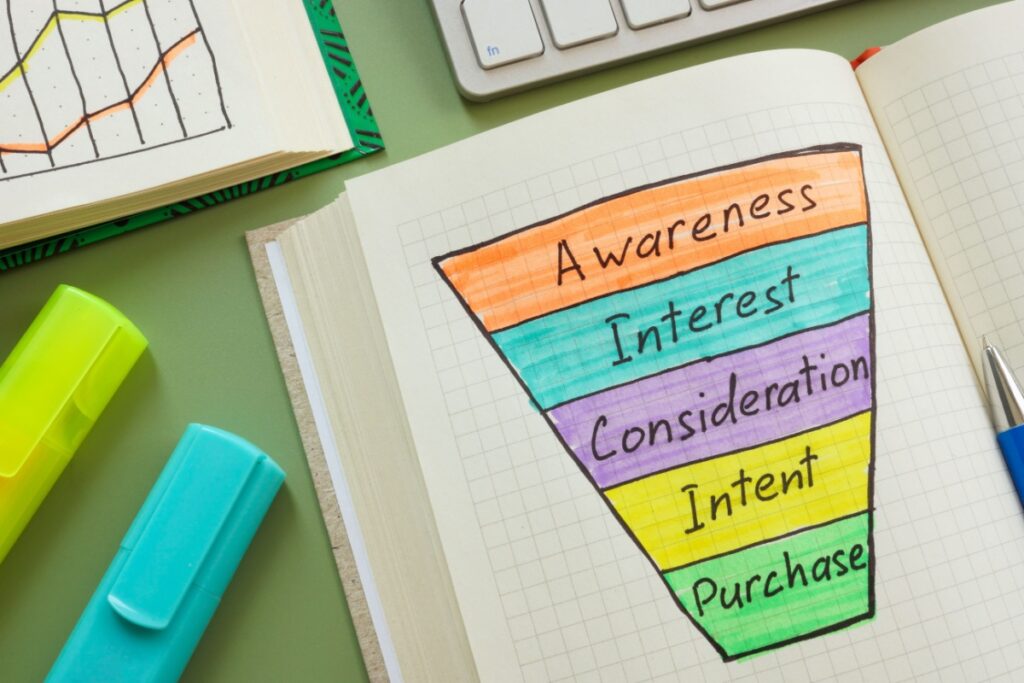
If your brand isn’t yet familiar, Top-Of-Funnel (TOFU) paid media is how you earn the “first yes”: attention, recognition, and basic trust. The goal isn’t immediate conversions; it’s to make sure that when people later search, compare options, or see a retargeting ad, your name doesn’t feel random. For local businesses in Canada, this is especially important because buyers often default to what feels established.
This isn’t just theory. Research suggests full-funnel approaches can outperform single-stage campaigns because awareness and consideration increase the efficiency of lower-funnel conversion spend over time.
The key is connection: TOFU creative should introduce a clear problem/benefit, then Middle-of-Funnel should add proof (reviews, case results, differentiators), and Bottom-of-Funnel should focus on the exact conversion action you want.
12. Google Recommendations Can Help, But Don’t Let Them Take the Wheel
Google’s recommendations can be useful for spotting missed settings or quick wins, but they’re still platform-focused, and in 2026, Google Ads naturally benefits when advertisers broaden their reach or increase spend. If you’ve ever felt like recommendations push you toward “more” (more keywords, more match types, more budget), you’re not alone.
Google explicitly allows advertisers to auto-apply certain recommendation types, and it also provides ways to review what was applied via history/change tracking. That should tell you two things: (1) these suggestions can materially change an account, and (2) you need governance so changes align with business goals, not just an optimization score.
A smart approach is selective testing: apply recommendations only when you can measure impact, protect key constraints (profitability, lead quality, awareness), and roll back quickly if efficiency drops.
Key Takeaways
PPC in 2026 is less about small tweaks and more about building a system that adapts fast. AI can speed things up, but it still needs human oversight; otherwise, automation may optimize for easy wins like clicks instead of qualified leads. Strong performance starts with clean, consent-based measurement and landing pages that match the ad’s promise.
Discovery is changing, too. Ads now show up in AI-driven search experiences, users search in more natural language, and intent matters more than individual keywords. At the same time, visual search and short-form video are pushing PPC to be more creative-led and more “multi-platform” by default. These updates not only affect Google but are also being implemented in Bing Ads and other search engines.
The winners won’t chase every update. They’ll run intent-based campaigns, test creative consistently, and coordinate across channels, while selectively testing Platforms’ recommendations instead of letting them steer the account.
Want a 2026 PPC Plan Built Around Real ROI?
MRKT360 is a Toronto-based digital marketing agency supporting businesses across Richmond Hill, Vaughan, and the GTA with PPC systems built for what’s changing in 2026. That means we don’t just “run ads”; we combine strategy, creative testing, and ongoing optimization, with clear measurement and human oversight.
If you want a PPC plan that’s structured around intent, powered by strong creative, and coordinated across the channels your buyers actually use, we can help you turn these trends into predictable results. Harness the PPC trends shaping 2026, without guesswork. Schedule a Consultation Today.
About MRKT360
MRKT360 is a results-driven digital marketing and solutions agency offering end-to-end services in performance marketing, AI strategy, SEO, GEO, paid media, and IT optimization.
With clients around the world, MRKT360 specializes in future-proofing brands through innovative solutions that align marketing and infrastructure.
FAQ
No. AI speeds up optimization and testing, but human oversight is still essential to protect brand voice, control budgets, and focus on qualified leads instead of just clicks.
Yes, but they’re only a starting point. Successful PPC campaigns now focus more on user intent, aligning ads and landing pages with what the searcher is actually trying to do.
Because buyers move between search, social, video, and retargeting before converting. Coordinating PPC across platforms improves consistency, trust, and overall ROI.