Pay-Per-Click (PPC) is a digital advertising method that can help businesses quickly generate traffic, leads, and sales. With the right PPC management strategy, companies can control their budget, target the right audience, and measure campaign performance more accurately.
However, getting good results from PPC ads is not as easy as throwing money at Google or Meta. If implemented poorly, a PPC marketing strategy can end up targeting the wrong people and keywords, leading to traffic that doesn’t align with your campaign’s goals.
That’s why we wrote this article. We wanted to answer “what are the key elements of a PPC strategy?” and provide you with a comprehensive guide to everything you need to know about Pay-Per-Click management, including a PPC strategy guide. Whether handling campaigns in-house or with an agency like MRKT360, this roadmap helps make informed advertising decisions.
PPC 101: The Basics of PPC Ads You Should Know

Pay-Per-Click (PPC) is a digital advertising model where businesses pay a fee each time one of their ads is clicked. Essentially, it is a way to buy visits to your site rather than “earn” them organically through SEO. In a successful PPC marketing strategy, these ads appear to users who are already searching for related products or services, making it a powerful tool for generating instant traffic and leads.
Common Platforms and Players
While there are many PPC marketing platforms available, the most common players in the PPC landscape include:
- Google Ads: The industry leader, reaching over 90% of internet users through search, display, and YouTube ads, great for Search Engine Marketing (SEM) strategy.
- Meta Ads: Highly effective for audience-focused targeting based on interests, behaviors, and demographics.
How Does the Auction Process Work for PPC Ads
While the auction process varies from platform to platform and a lot of it happens behind the scenes, here is a quick summary of how Google and Meta decide which advertisers get to show their ads and to whom:
- User Query: A search begins when an individual enters a term into the engine.
- Advertiser Identification: The platform identifies all campaigns bidding on keywords relevant to that specific search.
- Ad Assessment: The algorithm analyzes the maximum bid and Quality Score of every qualifying ad.
- Placement and Pricing: Ads are positioned based on rank; successful bidders pay just enough to secure their spot, typically a fraction more than the advertiser ranked directly below them.
Essential PPC Metrics to Consider
There are many metrics available in PPC platforms, but the key is understanding what they mean and how they measure your PPC campaign performance. Here are the most common:
- CTR (Click-Through Rate): The percentage of people who click a link after seeing it, calculated as (Clicks / Impressions) x 100. It is a key metric for paid advertising to show ad relevance.
- CPC (Cost-Per-Click): The amount of money paid by the advertiser for a single click on their ad. Budget wasted on sources like bot clicks can quickly inflate your CPC.
- CVR (Conversion Rate): The percentage of users who complete a desired action (a conversion) after clicking on an ad. Conversions are tracked as a key performance metric to evaluate a campaign’s success.
- QS (Quality Score): A diagnostic score used by the ad platform’s algorithm to assess the relevance and quality of an ad and its landing page. It is analyzed along with the maximum bid to determine ad placement and pricing.
Define your Goals
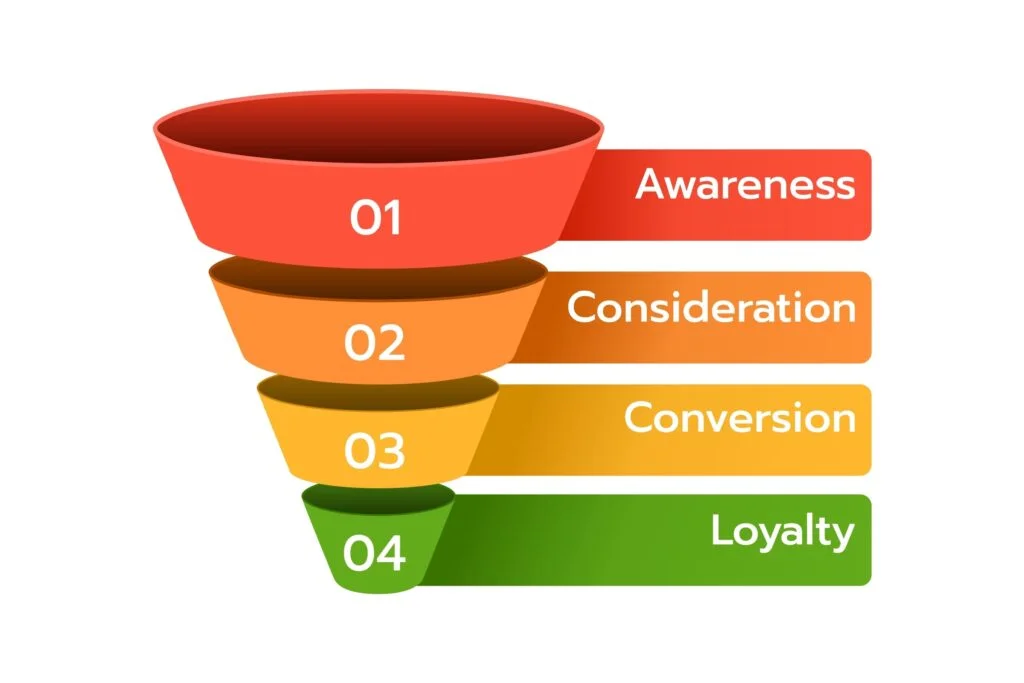
If you are asking yourself, “How do beginners start with PPC marketing?” then you should know that the first step in planning your PPC campaign is to understand your current business position and your desired results.
Consider questions like: Are you aiming to increase sales in your online or physical stores? Are you seeking to boost subscriptions or generate more leads for your business? Or are you looking to raise awareness and connect with your audience? Regardless of your objectives, write them using SMART terminology to facilitate effective tracking and planning of your PPC marketing strategy.
Objective Types for PPC Campaigns
One typical classification of PPC management goals is based on the position of the marketing funnel, where your audience is currently with regard to your business:
- Awareness: Focuses on reaching a broad audience to introduce your brand and increase visibility. Example: Promoting a new product launch to people interested in your industry to maximize impressions.
- Engagement: Aims to foster interaction with your brand, such as website visits or social media follows. Example: Running an ad campaign that directs users to a helpful blog post to build trust and authority.
- Conversions: The ultimate goal of driving specific, valuable actions like sales, sign-ups, or lead form completions. Example: Using search ads for high-intent keywords like “buy PPC services” to drive direct service inquiries.
Expert Tip: You need to understand your audience and business very well to know where they are and how to target them at every step of their journey, while maximizing your return on investment.
Keyword Research
Your ads are not meant for everyone, and that is a good thing. For example, showing bakery ads to someone who does not like cakes wastes budget and lowers performance.
Keywords decide when your ads appear and who sees them, so choosing the right ones matters. When PPC campaign planning, focus on keywords that match your services, reflect user intent, and bring meaningful traffic. The right keywords help your PPC campaigns reach people who are already searching for what you offer.
Keyword Classification by Reach
Keywords can be broad or very specific. Understanding how each type works helps balance reach and relevance in your PPC strategy.
- Broad: Offers the widest reach but less precision, which can bring irrelevant clicks and higher costs.
- Phrase: Provides a balance between reach and accuracy. Ads appear when searches include your keyword phrase in the correct order, even if extra words are added.
- Exact: Targets very specific searches with strong intent. This usually brings more qualified traffic but limits overall reach.
- Negative Keywords: Block irrelevant searches and prevent wasted spend. For example, an electrical contractor might add “electric DIY” to avoid showing ads to people looking for do-it-yourself solutions.
How to Find the Right Keywords for PPC Ads
To find the right keywords, start with market research and competitor review. Tools like Semrush, Google Search Console, and Google Keyword Planner help you discover the terms your audience is actually using. These tools show search volume, competition levels, and estimated cost-per-click (CPC).
Expert Tip: Keep in mind that high-volume keywords often cost more, but volume alone does not guarantee results. Strong PPC keyword research focuses on relevance and intent, not just traffic size.
Write Compelling Ad Copy
Ad copy refers to all the text used in your ads. Along with visual elements, it forms the first impression of your business. Strong copy should grab attention and encourage users to click and convert. It should clearly connect your brand to your campaign goals and match your audience’s intent.
Expert Tip: Start by benchmarking competitors’ strategies by searching target keywords and reviewing their ad structures. Analyze their messaging and offers to understand industry trends. Use AI tools like ChatGPT or Gemini to brainstorm, generate variations, and refine your copy.
PPC Copy You Need to Consider
PPC ad copy elements vary by platform and format, but most ads rely on a few core components that shape visibility and engagement:
- Headlines: Usually up to 30 characters each. Headlines grab attention and should quickly highlight your main offer or value.
- Descriptions: Typically up to 90 characters. Use descriptions to add context, explain benefits, and encourage users to take action.
- Extensions: Optional add-ons that expand your ad with extra details, such as links, call buttons, locations, or promotions.
Targeting and Segmentation for PPC Campaigns
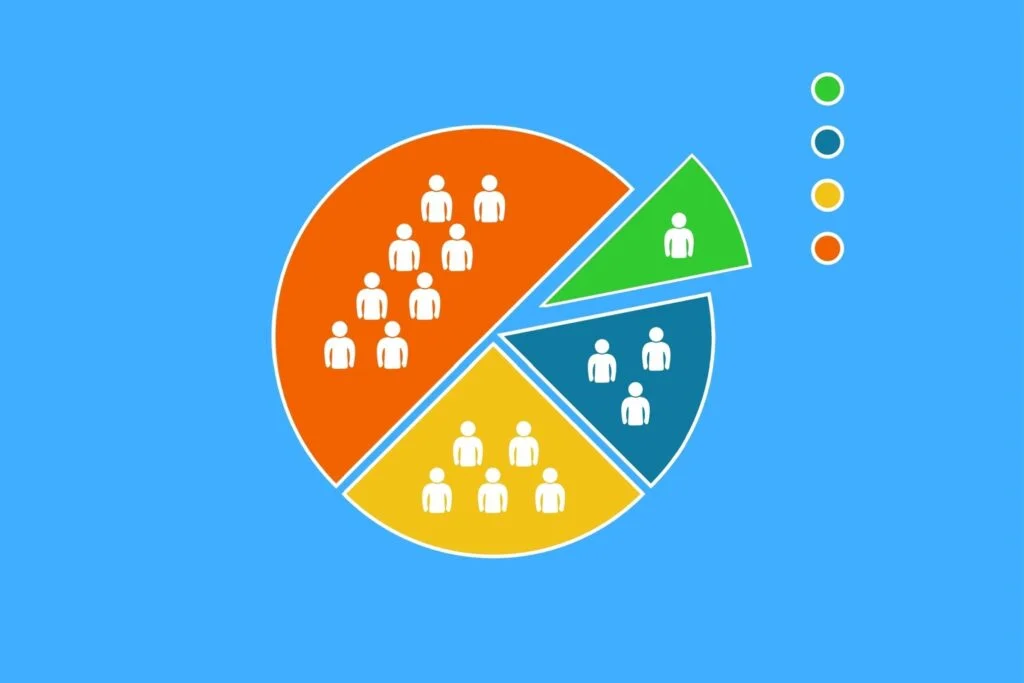
Effective PPC management starts with a clear understanding of your audience. Defining who you want to reach, what they look like, and how they behave online helps improve ad relevance and overall campaign performance.
Expert Tip: When identifying your audience, rely on real data instead of assumptions. Website analytics reveal visitor demographics, behavior, and device use. Social media insights show interests and trends. As your campaign progresses, you’ll gather more data on ad responders.
Common Targeting Variables to Consider
- Age: Different age groups respond to messaging and offers differently. Adjust tone, visuals, and even channel to match what your audience wants.
- Income: Income levels influence purchasing power and expectations. You want to target people who can and want to buy your product or service.
- Location: Geographic targeting ensures ads reach users within service areas, which is vital for businesses and startups with brick-and-mortar locations
- Device and Platform: User behavior changes across mobile, desktop, and platforms. Optimizing ads and landing pages for the right device improves performance and user experience.
PPC Budgeting and Bidding Strategy
Allocating your budget is a vital part of the PPC management process. If your budget or bid is too low, your ads may not show enough. If it is too high, you may overspend before collecting useful data.
Good budgeting starts with understanding how much you can spend and what is typical for your industry. As you now know, High-intent, high-volume keywords usually cost more because more advertisers bid for the same searches.
Common Bidding Types
Your bidding strategy should match your experience level. As you gain more data and confidence, you can move from simple control to more advanced optimization:
- Manual Bidding: This is the paid ads strategy for beginners who want direct control over their PPC budget. It allows you to start small, test performance, and understand how your budget is being spent.
- Enhanced CPC (ECPC): A step up from manual bidding. This option automatically adjusts your PPC ads’ bids based on the likelihood of a conversion, while still giving you some control over base bid amounts.
- Smart Bidding: Best suited for experienced advertisers or mature campaigns with strong data. Smart Bidding uses automation and machine learning to optimize bids in real time, improving efficiency and scaling performance.
Expert Tip: Start with a conservative budget and increase spending as you identify what works. Always review performance data regularly to spot trends and catch wasted spend early. Moreover, spread your budget across multiple ads or campaigns to test different approaches, and plan ahead for seasonal demand that may affect costs.
As campaigns grow, budget management becomes more complex. Working with an experienced PPC management agency can help optimize spending, adjust bids efficiently, and better leverage performance data, especially in competitive industries where costs can change quickly.
Landing Page Optimization for PPC Ads
Driving clicks is only half the job. Your landing page needs to deliver a clear experience that turns visitors into leads or customers.
A well-optimized landing page improves conversion rates and makes your PPC campaigns more cost-effective. On the contrary, an unoptimized landing page is likely to lead to high bounce rates and waste your budget, as visitors are not fulfilling the goal of your campaign. Even if they clicked, the platform has already charged you.
Things To Consider When Building a Good PPC Landing Page
- Message Match: Your landing page should match the message in your ad. Headlines, offers, and calls to action (CTAs) should feel consistent so users quickly find what they expected after clicking.
- Site Speed and User Experience (UX): Slow pages increase bounce rates and reduce conversions. Fast-loading pages with clear layouts help users find information quickly and take action without frustration.
- Mobile Optimization: Two-thirds of all online traffic now comes from mobile devices, so landing pages that convert load quickly, display correctly, and are easy to navigate on smaller screens.
- Credibility Signals: Trust plays a major role in conversions. Include elements like customer reviews, testimonials, certifications, guarantees, or recognizable partner logos to build confidence and encourage action.
PPC Tracking and Campaign Optimization
Tracking turns PPC campaigns from guesswork into measurable performance. The more data you collect, the easier it becomes to identify what is working, what is wasting budget, and where improvements can be made. Consistent tracking allows you to refine targeting, adjust messaging, and improve results over time.
Great Tools to Collect Data
Other than data you get directly from the PPC platforms, we strongly recommend including tracking cookies to see how the landing pages are performing:
- Google Analytics 4 (GA4): Tracks website traffic, user behavior, and conversions. GA4 shows what users do after clicking your ad, helping you identify which campaigns and landing pages drive real results.
- Meta Pixel: Tracks user actions after interacting with ads on platforms like Facebook and Instagram. This data improves audience targeting and helps optimize ad delivery based on real engagement.
Expert Tip: Use your data to make small, consistent adjustments. Pause low-converting ads, increase the budget for high-performing campaigns, and test new headlines, audiences, or landing page variations. If managing performance data becomes overwhelming, working with a PPC management agency can help you interpret results, optimize campaigns more quickly, and make better use of your advertising budget.
Common Mistakes When Using PPC

Common pitfalls can undermine even the most well-funded PPC initiatives. At MRKT360, we frequently observe three specific errors when new clients begin utilizing our PPC services:
Poor Targeting and Keyword Selection
Targeting the wrong audience or using overly broad keywords can lead to irrelevant clicks and wasted spend. Without proper segmentation and negative keywords, your ads may reach users who are unlikely to convert.
Weak Ad Copy or Landing Page Experience
If your messaging is unclear or your landing page does not match the ad, users are less likely to take action. Slow load times, confusing layouts, or missing calls to action can quickly reduce conversions.
Ignoring Data and Optimization
Launching campaigns without ongoing monitoring is a common mistake. PPC requires regular adjustments based on performance data to improve results and control costs.
Working with a reliable PPC management agency can help prevent these mistakes early. Experienced teams know the PPC best practices for structuring campaigns, monitoring performance, and adjusting strategy based on real data, helping you avoid wasted spend and improve ROI.
Final Thoughts
PPC marketing is one of the fastest ways to generate traffic, leads, and measurable growth, but success depends on strategy, testing, and consistent optimization.
From keyword research to landing page performance, every step plays a role in improving results and making the most of your budget. Businesses that closely monitor performance and refine campaigns over time are more likely to achieve steady, long-term returns from their PPC campaigns.
Want to Turn Your PPC Campaigns Into Real Growth?
MRKT360, a Toronto-based PPC management agency, brings more than a decade of experience helping businesses build, manage, and optimize high-performing campaigns. Our team focuses on smart budget allocation, data-driven decisions, and continuous optimization to help you get better results from your advertising spend.
Schedule your FREE consultation today and discover how a strategic PPC approach can help grow your traffic, leads, and revenue.
About MRKT360
MRKT360 is a results-driven digital marketing and solutions agency offering end-to-end services in performance marketing, AI strategy, SEO, GEO, paid media, and IT optimization.
With clients around the world, MRKT360 specializes in future-proofing brands through innovative solutions that align marketing and infrastructure.
FAQs:
- Why is having a PPC strategy important for businesses?
A clear PPC strategy helps businesses target the right audience, control ad spend, and generate measurable traffic and conversions.
- How do you build a PPC strategy from scratch?
To build a PPC strategy from scratch, start by defining clear goals, researching keywords, identifying your audience, and setting a realistic budget.
- What are the key elements of a PPC strategy?
The key elements of a successful PPC strategy include goal setting, keyword research, audience targeting, budgeting, landing page optimization, and performance tracking.
- How do beginners start with PPC marketing?
Beginners start with PPC marketing by setting clear objectives, using manual bidding, targeting specific keywords, and monitoring early performance data.
- How does PPC fit into a digital marketing strategy?
PPC services support a broader digital marketing strategy by delivering immediate traffic while complementing long-term efforts like SEO and content marketing.
- What platforms are best for implementing a PPC strategy?
The best platforms for a PPC strategy typically include Google Ads for search visibility and Meta Ads for audience-based targeting across social media.
- What makes a PPC strategy successful?
A successful PPC strategy relies on relevant keywords, strong ad copy, optimized landing pages, and continuous data-driven adjustments.
- How often should a PPC strategy be reviewed and optimized?
A PPC strategy should be reviewed regularly, ideally weekly or monthly, to adjust bids, improve targeting, and reduce wasted spend.
- Can PPC strategies work for small businesses and startups?
Yes, PPC strategy tips for small businesses include starting with focused keywords, setting conservative budgets, and targeting precise audiences to generate leads efficiently.
- How does audience targeting improve PPC campaign results?
Strong audience targeting improves PPC campaign results by showing ads to users who are more likely to engage, convert, and deliver a higher return on ad spend.