



The Ultimate Dark Mode Guide for Modern Web Design
Dark mode did not become popular because designers were bored with white backgrounds. It happened because users asked for it. Repeatedly. Across apps, operating systems, and websites, people started choosing darker interfaces for one simple reason: they feel better to use.
Today, dark mode is no longer a novelty feature. It is part of how users judge quality. When someone lands on a site built with modern web design, they notice immediately whether the experience feels current or dated. Dark mode often plays a quiet but important role in that judgment.
For businesses in Canada, especially in competitive markets like Toronto and Vaughan, this matters more than ever.
Dark Mode Is Not Just a Color Choice
One of the biggest mistakes teams make is treating dark mode as a quick visual switch. It is not. A true dark interface behaves differently. Text contrast changes. Spacing feels tighter. Visual hierarchy becomes more sensitive.
From a technical perspective, web development now makes it easy to support theme switching. From a design perspective, it makes things harder. Every element must work twice. Buttons, forms, icons, charts, and images all need to be reconsidered.
This is why a serious web design company approaches dark mode as a second design system, not a filter.
Why Users Actually Prefer Dark Interfaces
Most people do not talk about design theory. They talk about comfort. Dark interfaces reduce glare. They feel calmer in low light environments. They make screens feel less aggressive during long sessions.
These are not assumptions. They are observable behaviors tied directly to the benefits of dark mode for user experience. Users stay longer. They scroll more comfortably. They feel less visual fatigue.
That emotional response matters. It influences trust, attention, and willingness to engage.
When Dark Mode Works and When It Backfires
Dark mode is not automatically better. Content heavy sites, educational platforms, and image focused portfolios sometimes struggle in dark environments. Color accuracy can suffer. Long reading sessions may feel heavier for some users.
This is where judgment matters. A thoughtful web design agency does not push dark mode by default. It evaluates the audience, the content, and the brand personality before deciding how and where dark mode fits.
In some cases, offering dark mode as an optional toggle is the right solution. In others, a dark first approach makes sense. The key is intent.
Design Principles That Matter in Dark Mode

Pure black backgrounds are rarely ideal. They create extreme contrast that tires the eyes. Most successful dark interfaces rely on deep grays and layered surfaces to create depth.
Typography needs special attention. Thin fonts that look elegant on white backgrounds often disappear on dark ones. Line spacing and font weight usually need adjustment.
These details sit at the core of dark mode web design best practices, but they are rarely obvious until something feels wrong.
UI and UX Are Tested More Harshly in the Dark
Dark interfaces are less forgiving. Poor spacing, weak contrast, or unclear interaction states stand out immediately.
Hover effects, focus outlines, and error states must be visible without being harsh. Icons must communicate without relying on color alone. Subtlety becomes a skill rather than a risk.
This is where professional dark mode UI UX design separates experienced teams from surface level implementations. Dark mode exposes weaknesses fast.
The Technical Side That Users Never See
Most modern browsers allow sites to detect system preferences automatically. That is helpful, but it should never trap users. Control matters.
A visible toggle builds trust. It signals that the experience adapts to the user, not the other way around. Behind the scenes, this requires careful planning in stylesheets and components.
High quality website design services account for this early. Retrofitting dark mode later almost always leads to compromises.
Brand Identity and Perception
Dark mode changes how a brand feels. It often communicates confidence, maturity, and restraint. That can be powerful, or completely wrong, depending on the brand.
Technology companies, creative studios, and premium service providers often benefit most. When executed well, dark mode supports the perception of being the best web design company or at least one that understands modern expectations.
When executed poorly, it feels forced and undermines credibility.
Why Dark Mode Can Be a Competitive Advantage
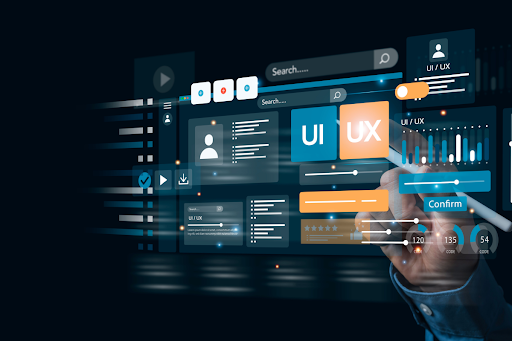
In crowded markets, small experience improvements stack up. Users rarely say why they prefer one site over another, but they feel it.
This is where dark mode UI design advantages become tangible. Better engagement. Lower bounce rates. A sense that the site respects the user’s environment and habits.
When paired with custom website design, dark mode becomes part of a broader narrative about quality and care, not a standalone feature.
Choosing Who Builds Your Dark Mode Experience
Not all teams are equipped for this work. Dark mode requires restraint, testing, and taste. It cannot be rushed.
A capable web design company will ask uncomfortable questions before building anything. Who is the audience? When do they use the site? What devices matter most? What happens if dark mode is ignored?
For businesses exploring dark mode web design services, the real value lies in judgment, not tools.
The Long Term View
Dark mode is not a trend that will disappear. It is part of a shift toward adaptive, user controlled experiences. As screens become more present in daily life, comfort becomes a design requirement, not a bonus.
Investing in flexible web design & development today allows brands to adapt tomorrow without rebuilding everything from scratch.
In cities like Toronto and Vaughan, where digital competition is intense and user expectations evolve quickly, these decisions quietly shape long term success.
Dark mode does not need to shout. When done right, it simply feels right.
Thinking About Dark Mode for Your Website?
If you want to make the right decision without guessing, MRKT360 can review your current website and show you where dark mode makes sense and where it does not.
We look at your design structure, user behavior, and long term goals to identify real opportunities and real leaks. From there, we help you map out a clear marketing and design roadmap and, if it makes sense, execute it as your all in one partner.
If you feel like your website should be doing more than it is right now, reach out and start building something users actually enjoy using.
About MRKT360
MRKT360 is a results-driven digital marketing and solutions agency offering end-to-end services in performance marketing, AI strategy, SEO, GEO, paid media, and IT optimization.
With clients around the world, MRKT360 specializes in future-proofing brands through innovative solutions that align marketing and infrastructure.
FAQs
No. Dark mode works best when it matches the audience, content type, and brand. In some cases, an optional toggle is better than a dark-first design.
Often, yes. Dark mode can reduce glare and eye strain, helping users feel more comfortable and engaged, especially in low-light or long-session use.
Absolutely. When done well, dark mode can make a brand feel modern and confident. When done poorly, it can feel forced and hurt credibility.
Get a free PDF about What The Ultimate Dark Mode Guide for Modern Web Design