Reach Every Event That Matters With Trade Show Marketing
MRKT360 puts your brand in front of trade show and industry event audiences through Google Display, YouTube, social media advertising, eligible event-app placements, time-and-location targeting, email marketing, retargeting, and permitted attendee-list activation.
average total cost to exhibit at one event
of trade show attendees have buying authority
of trade show budgets can go toward travel and lodging
campaign stages to reach audiences – before, during, and after the event
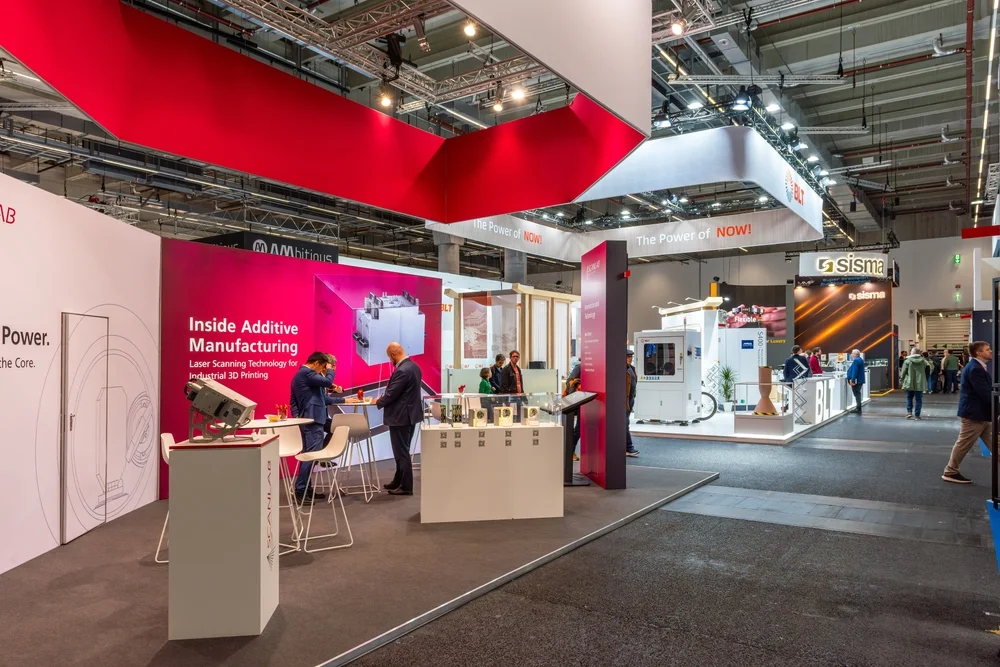
ONE EVENT. A LONG LIST OF EXPENSES.
Your Trade Show Budget Starts Disappearing Months Before the Doors Open
First comes the booth reservation. Then the costs start quickly adding up:
- Flights, accommodations, meals, and transportation
- Booth space, exhibit design, and production
- Shipping, handling, installation, and event services
- Employee time and daily operating expenses
- Sponsorships, attendee-list access, and promotional packages
- Creative, giveaways, scanners, and post-event follow-up
By opening day, your total exhibit cost can reach $10,000 to $30,000, all committed to one location, one week, and one opportunity to capture attention.
Then comes the difficult choice: attend fewer events and miss valuable audiences, or divide your budget until every show receives less support.
Your industry holds events all year. Your team and budget can only travel to a few. MRKT360 helps you turn the rest into targeted digital opportunities, keeping your brand visible wherever your market gathers.
Ready to build your event audience plan? Let’s get started!
PUT YOUR BRAND IN THE ROOM
Virtually “Attend” the Events Your Market Already Attends
MRKT360 turns trade shows, conferences, and expos into targeted digital opportunities. Using eligible event apps and websites, Google Display, YouTube, and event-based location and date targeting, we position your brand around the audiences gathering for each event before, during, and after it happens.
Reinforce your physical booth, reach attendees when travel falls outside the plan, or build a digital presence at events you never planned to sponsor. Your team keeps working. Your brand keeps showing

THREE WAYS INTO THE AUDIENCE
Have a Booth, Have a List, or Have Neither. You Can Still Target the Audience.
Each event creates different audience signals. MRKT360 reviews the available attendee-list rights, event apps and websites, event dates, venue geography, travel patterns, and advertising inventory to build the strongest path into the audience.

Activate an Attendee List
If your exhibitor or sponsor package includes an approved attendee list, MRKT360 turns that data into a permitted outreach strategy using email, dedicated landing pages, sales follow-up, and eligible advertising channels. Get more value from the audience access you already paid for.
Reach Eligible Event Apps & Sites
When an event app or website participates in Google Display inventory, your ads can appear in eligible placements while attendees plan their schedules, navigate the venue, and engage with event content before, during, and after the show.
Target the Event Area & Dates
Reach people likely to be around selected venues, ZIP or postal codes, hotels, airports, and surrounding event districts when activity is at its highest. MRKT360 uses focused Google Display and YouTube campaigns to put your brand in front of relevant prospects throughout the event window.

How the Paths Work Together
Exhibiting at the event? Use all three paths to build awareness, increase booth traffic, and continue the conversation afterward.
Attending without a booth? Promote meetings, content, demonstrations, and lead-capture offers.
Staying home? Combine eligible digital placements with event-area targeting to give your brand a visible presence from anywhere.
Three audience paths for one event. One coordinated campaign we build around your goals.
ONE EVENT. THREE CAMPAIGN WINDOWS.
Start Before the Flight Lands. Stay Visible After the Booth Comes Down.
The strongest event campaigns begin while attendees are still planning and continue after they return home. MRKT360 adapts your audience, message, offer, and media strategy at every stage, giving prospects more opportunities to recognize your brand, engage with your offer, and take action. The event may last a few days. But your opportunity to engage with its audience can last much longer.

Before the Event
Build Recognition
- Select the event and audience strategy
- Target eligible event apps and websites
- Reach relevant users around the destination
- Promote meeting requests, demos, or offers
- Prepare conversion tracking and landing pages

During the Event
Own the Moment
- Focus delivery around event dates and areas
- Run Display and YouTube creative
- Appear in eligible event-app inventory
- Drive booth visits or virtual conversions
- Adjust budgets and creative using live results

After the Event
Keep the Conversation Moving
- Activate permitted attendee-list outreach
- Remarket to visitors who engaged with owned assets
- Promote demos, consultations, and resources
- Segment leads by response and intent
- Carry insights into the next event campaign
MAKE ONE EVENT BUDGET WORK HARDER
$30,000 Can Fund One Exhibit. It Can Also Power a Year’s Event Calendar.
An average total exhibit cost up to $30,000 per booth. Larger events, international travel, custom exhibits, sponsorships, and bigger teams can push that investment even higher. MRKT360 gives that budget another path. Instead of committing the full amount to one location and one week, you can distribute media and creative across a carefully selected calendar of event audience campaigns. The number of events depends on audience size, geography, competition, campaign length, creative scope, and media costs.

Attend the Right Events. Target All the Others.
Face-to-face events still create valuable business opportunities. Attend the shows where an in-person presence matters most, then use event audience marketing to reach additional industry audiences throughout the year.
| Decision | Physical Event Presence | MRKT360 Event Audience Campaign |
| What your budget buys | Booth space, passes, staff, travel, accommodations, and logistics | Google Display, YouTube, eligible app and website placements, and event-area targeting |
| When prospects see you | Primarily during exhibit hours | Before, during, and after the event |
| How many events you can cover | Limited by travel, staffing, and exhibit costs | One plan can distribute media across selected events throughout the year |
| How prospects respond | Booth visits, badge scans, and face-to-face conversations | Landing pages, video views, clicks, forms, calls, remarketing, and permitted list outreach |
| Where it works best | High-priority events where face-to-face presence matters | Events where reaching the audience matters more than having a physical booth |
AUDIENCE MARKETING BUILT AROUND EVENTS
A Unique Audience Strategy for the Events That Shape Your Industry
MRKT360 builds audience groups around specific events, industries, locations, and campaign windows. We combine the available signals into a plan designed for Google Display, YouTube, eligible placements, landing pages, lead capture, and continued follow-up.
Event Selection
Choose individual conferences, trade shows, expos, congresses, summits, and recurring industry calendars.
Audience Access Mapping
Review attendee-list rights, eligible event-app and website placements, event locations, surrounding ZIP or postal codes, travel hubs, and relevant digital signals.
Channel & Creative Planning
Match Display, YouTube, landing pages, lead forms, email, and remarketing options to each stage of the event.
Year-Round Scaling
Use campaign results to prioritize the events, audiences, messages, placements, and markets that create the strongest response.
YOUR EVENT AUDIENCE ROADMAP
From Event Name to Active Campaign
1.
Choose the Events
Identify the shows your buyers attend and decide where physical presence and virtual targeting fit.
2.
Map the Audience
Review list permissions, eligible app and site inventory, geography, timing, travel areas, and channel options.
3.
Build the Campaign
Develop the offer, landing path, Display and YouTube assets, location settings, tracking, and follow-up.
4.
Launch and Scale
Manage delivery, report on performance, refine the campaign, and apply insights to the next event.
WE MANAGE THE DIGITAL SIDE
Your Team Does Not Need Another Event Logistics Project
MRKT360 handles the research, audience plan, Google Ads setup, Display and YouTube strategy, creative coordination, landing-page path, tracking, optimization, and reporting.
As a Google Premier Partner and Microsoft Advertising Partner, MRKT360 combines more than a decade of digital marketing experience with an event-focused audience system built for visibility, engagement, and measurable action.
You choose the events and business outcomes. We build the digital route to the audience.
You can start building the audience while your competitors are booking booths. Book a Free Strategy Call
Strategy That Works
Why Businesses Trust Us
Partnership Mentality
We treat your business like our own, aligning strategy with your long-term vision and growth goals.

Accountability First
We stand behind our work. Clear reporting, clear expectations, and a commitment to continuous improvement.

Transparent Communication
You always know what we’re doing, why we’re doing it, and how it’s performing. No confusion. No hidden tactics. Just clarity.
GET STARTED
Schedule a Free Consultation
WE HAVE THE ANSWERS
Frequently asked questions about Trade Show & Event Audience Marketing
A booth is optional. MRKT360 can reinforce an existing exhibit, support a team attending without a booth, or build a virtual event campaign for a company operating from another city or country.
We review eligible event-app and website placements, selected venue areas, ZIP or postal codes, event dates, surrounding travel zones, Google audience options, and related campaign signals. The final mix depends on event size, geography, inventory, and platform eligibility.
When an event app participates in Google Display inventory and appears as an eligible placement, ads can run inside that app while people use it. Installation alone does not guarantee ad delivery, and MRKT360 does not receive the app’s private user list.
We can focus eligible campaigns on people likely to be in or regularly present within selected event locations and surrounding areas. Campaigns can also use defined dates, ZIP or postal codes, cities, and relevant travel areas. Location targeting creates a concentrated event audience opportunity; it does not confirm individual attendance.
Campaigns can include airports, hotel districts, event corridors, and broader destination areas when those locations support the strategy. Audience filters, creative, timing, and exclusions help keep the campaign focused on relevant prospects.
Yes. Pre-event campaigns build awareness and meeting interest. Live-event campaigns focus on timely visibility and action. Post-event campaigns use permitted list outreach, continued audience marketing, and remarketing to people who engaged with your owned digital assets.
Usage depends on the organizer’s license, consent language, applicable law, and channel rules. MRKT360 reviews the permitted uses and builds outreach around eligible channels. Google Customer Match generally requires first-party customer information collected through a direct relationship.
Ad delivery depends on audience size, eligible inventory, bids, budget, user settings, platform policies, device activity, and campaign performance. MRKT360 sets realistic reach expectations and reports on actual delivery and response.
Yes. A year-round plan can distribute creative and media across several selected events. The final number depends on markets, audience sizes, campaign windows, channels, competition, and budget.
Strong candidates include B2B trade shows, conferences, expos, congresses, summits, association meetings, investor events, and recurring industry programs with defined dates, locations, digital properties, and relevant audiences.
Metrics can include impressions, video views, eligible app or website placement delivery, clicks, landing-page engagement, form submissions, calls, booked meetings, booth visits, remarketing growth, qualified leads, and conversion value.