A lot of businesses still treat web design and SEO like two separate things.
One team focuses on visuals. Another focuses on rankings. But the reality is that website design and SEO are deeply connected, and if they are not working together, both usually become less effective.
You can have a beautiful website that struggles to rank. Or you can have a technically optimized site that still fails to convert visitors because the experience feels outdated or confusing.
Modern websites need both.
That is why businesses investing in web development today are paying much closer attention to how design decisions impact search visibility, user behavior, and long-term growth.
And honestly, you have probably experienced this yourself.
If a website loads slowly, feels difficult to navigate, or looks broken on mobile devices, you usually leave within seconds. Search engines notice that behavior too.
Search Engines Pay Attention to User Experience More Than Ever
SEO used to focus heavily on keywords and backlinks alone.
Those things still matter, but search engines now evaluate much more than content optimization. Google increasingly looks at how users interact with websites and whether the overall experience feels useful, fast, and easy to navigate.
That is one of the biggest reasons UI UX and SEO have become so connected.
If visitors struggle to find information, wait too long for pages to load, or feel overwhelmed by poor layouts, engagement usually drops quickly. And when users leave a website too fast, search engines may interpret that as a sign the experience is not meeting expectations.
This is why website design affects SEO far more than many businesses realize.
Modern search engine optimization depends heavily on:
- usability,
- mobile experience,
- page speed,
- site structure,
- and content accessibility.
In other words, SEO friendly web design is no longer optional. It is part of how search engines evaluate quality.
A Beautiful Website Alone Is Not Enough

A lot of businesses focus heavily on aesthetics when redesigning a website.
And while visual design absolutely matters, appearance alone does not guarantee performance.
The best web design company understands that successful websites need to balance:
- branding,
- functionality,
- performance,
- and search visibility.
A website can look impressive visually while still creating SEO problems underneath.
For example:
- oversized images can slow down page speed,
- confusing navigation can hurt crawlability,
- poor mobile layouts can reduce engagement,
- and messy site structures can make indexing more difficult.
This is one reason web design & development teams increasingly collaborate with SEO specialists earlier in the process instead of treating optimization as something added later.
Because honestly, fixing SEO problems after a website launches is usually much harder than building the site correctly from the beginning.
Mobile Experience Is Now a Huge Part of SEO

Most online traffic now happens on mobile devices.
And if your website does not work well on phones or tablets, both users and search engines notice immediately.
Google prioritizes mobile usability heavily because user behavior has changed dramatically over the last few years. People expect websites to load quickly, feel responsive, and work smoothly regardless of screen size.
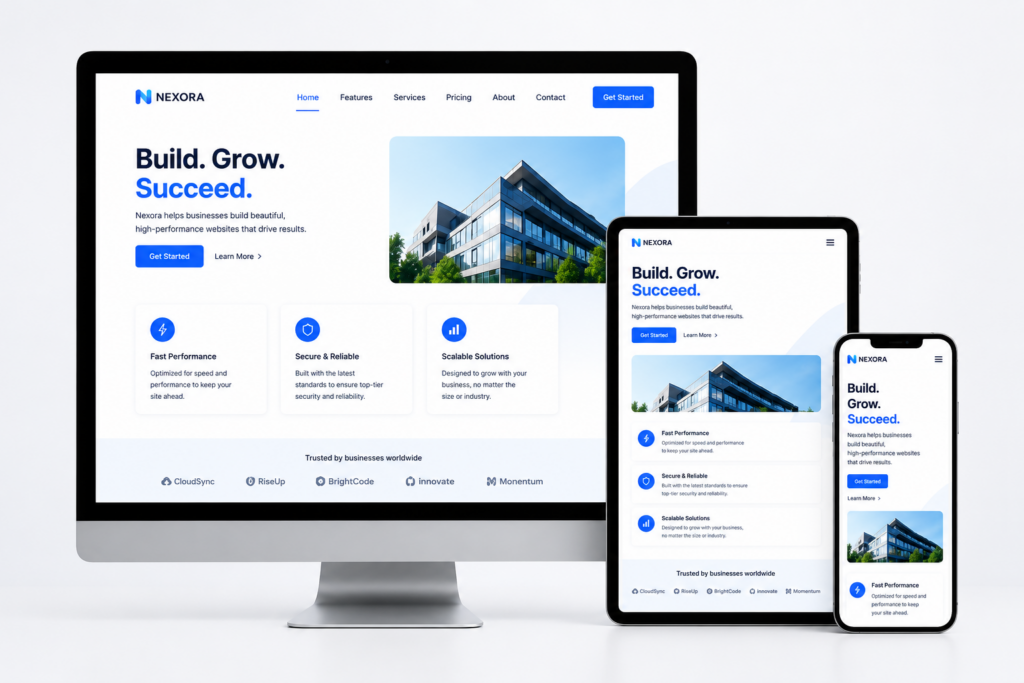
That is why responsive design for SEO has become such an important part of modern website development.
If visitors need to zoom in constantly, struggle to click buttons, or deal with slow mobile pages, conversion rates usually drop fast.
And honestly, mobile users tend to be less patient than desktop users.
This is one reason responsive design helps with SEO beyond rankings alone. It improves usability, engagement, and overall customer experience at the same time.
Website Structure Can Influence Rankings More Than You Think
Search engines need to understand how your website is organized.
That means website navigation, internal linking, and content structure all play an important role in search visibility.
A strong website structure helps search engines:
- crawl pages more efficiently,
- understand relationships between topics,
- and prioritize important content.
It also helps users move through the site more naturally.
If visitors feel lost or overwhelmed, they usually leave faster. But when navigation feels clear and intuitive, users are more likely to continue exploring additional pages.
This is why website design and SEO work best when both are planned together instead of separately.
Strong custom website design is not only about appearance. It is also about creating a structure that supports discoverability, usability, and search performance simultaneously.
Page Speed Is No Longer Just a Technical Issue
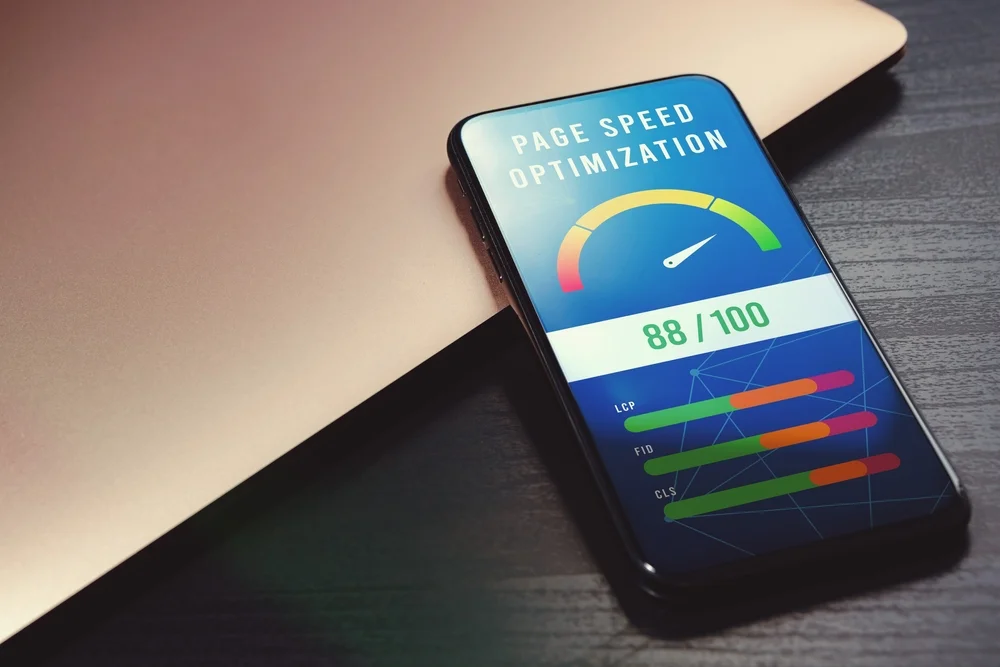
A slow website affects almost everything.
It impacts:
- user experience,
- conversion rates,
- engagement,
- and search rankings.
And honestly, people notice speed issues immediately.
If pages take too long to load, many visitors leave before interacting with the website at all. Search engines recognize that behavior and increasingly treat page speed as part of overall quality evaluation.
This is also where web development decisions directly impact SEO performance.
Large image files, excessive scripts, poor hosting environments, and bloated website code can all slow websites down significantly.
That is why many businesses investing in website design services are now prioritizing performance optimization much earlier in the process.
Because improving SEO with better website design often starts with improving speed and usability first.
Core Web Vitals Changed How Websites Are Evaluated
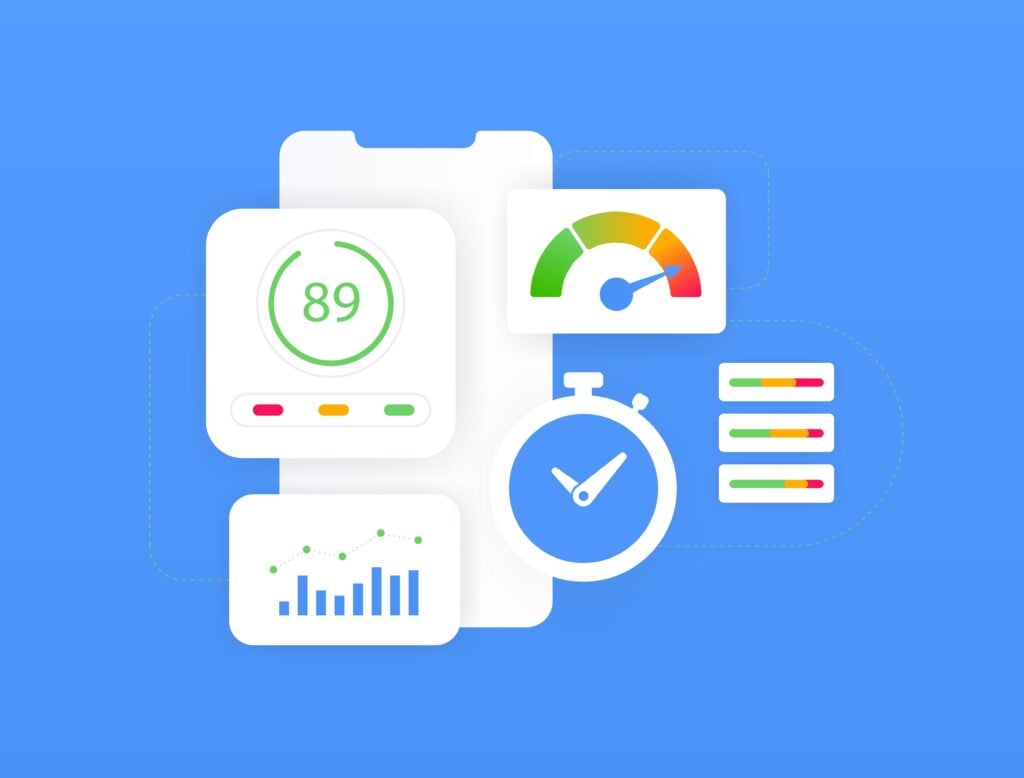
Google’s Core Web Vitals introduced a stronger focus on real-world user experience metrics.
Instead of only evaluating content relevance, search engines now measure how stable, responsive, and fast websites feel during actual use.
Core Web Vitals focus heavily on things like:
- loading performance,
- visual stability,
- and interactivity.
That means even visually attractive websites can struggle in rankings if the experience feels slow or unstable.
This is one reason modern SEO services increasingly overlap with both design and development teams.
A strong search engine optimization agency now needs to understand not only keywords and content, but also technical performance, UX behavior, and front-end optimization.
Because today, SEO and web design influence each other constantly.
Bad Website Design Can Absolutely Hurt SEO
One of the biggest misconceptions businesses have is assuming SEO problems always come from content alone.
But poor website design can negatively affect rankings in several ways.
For example:
- difficult navigation can reduce crawlability,
- poor mobile usability can hurt engagement,
- cluttered layouts can overwhelm users,
- and slow pages can increase bounce rates.
Even things like inconsistent branding or confusing page structures can impact how trustworthy a website feels to visitors.
That trust matters more than many businesses realize.
Search engines increasingly prioritize websites that create smooth, reliable, and user-focused experiences.
This is why businesses working with a web design agency should think about SEO from the beginning instead of treating it as a separate phase later on.
SEO and Web Design Work Best When Built Together
One of the biggest mistakes businesses make is separating web design from SEO strategy completely.
In reality, the strongest websites are usually built with both in mind from the start.
That means aligning:
- content structure,
- responsive layouts,
- technical optimization,
- UX design,
- page speed,
- and search visibility
into one connected strategy.
The relationship between web design and SEO is ultimately about creating websites that both users and search engines can understand easily.
Because when a website feels fast, clear, mobile-friendly, and useful, both engagement and visibility tend to improve naturally.
The Websites That Perform Best Usually Feel Effortless to Use
At the end of the day, users rarely think about “good web design” consciously.
They simply notice when a website feels easy.
Easy to navigate. Easy to read. Easy to trust. Easy to use on mobile devices.
That simplicity matters because search engines increasingly evaluate websites through the lens of user experience.
The businesses seeing the strongest long-term results are usually the ones investing in websites that combine:
- strong design,
- thoughtful web development,
- technical performance,
- and strategic search engine optimization.
Because today, good design is not only about appearance anymore.
It is part of how your business gets discovered online in the first place.
Ready to Build a Website That Looks Good and Performs Better?
MRKT360 helps businesses across Toronto, Vaughan, and Canada create websites that combine strong design, smart web development, and search engine optimization from the beginning.
Whether you need custom website design, website design services, or a strategy that connects web design & development with SEO services, our team can help you build a website that is easier to use, easier to find, and better prepared for long-term growth.
Contact MRKT360 today to learn how our web design agency and SEO experts can help improve your online presence.
About MRKT360
MRKT360 is a results-driven digital marketing and solutions agency offering end-to-end services in performance marketing, AI strategy, SEO, GEO, paid media, and IT optimization.
With clients around the world, MRKT360 specializes in future-proofing brands through innovative solutions that align marketing and infrastructure.
FAQs
How does website design affect SEO rankings?
Website design affects SEO rankings by influencing page speed, mobile usability, navigation, user experience, and how easily search engines can crawl and understand your site.
Why is SEO-friendly web design important?
SEO-friendly web design is important because it helps your website perform well for both users and search engines, improving visibility, engagement, and conversions.
How does user experience (UX) influence SEO?
UX influences SEO because search engines evaluate how users interact with your website, including engagement, navigation, mobile usability, and page experience.
What is the role of mobile-friendly design in SEO?
Mobile-friendly design helps ensure your website works well across devices, which supports better user experience and stronger search performance.
How does page speed relate to website design and SEO?
Page speed is directly connected to website design and SEO because heavy images, excessive scripts, and poor development choices can slow down your site and hurt performance.
What are Core Web Vitals and how do they affect SEO?
Core Web Vitals are Google metrics that measure loading speed, interactivity, and visual stability. They affect SEO by helping evaluate real-world page experience.
What are common web design mistakes that affect SEO?
Common web design mistakes that affect SEO include slow page speed, poor mobile layouts, confusing navigation, unoptimized images, weak content structure, and missing technical SEO basics.
Get Free PDF About Understanding the Relationship Between Website Design & SEO