



Why SEO and UX Optimization Matter for Business Websites
If you run a business today, you already know how much a strong online presence matters. A polished website, consistent social posts, and quick replies to customer messages all influence how people find you and whether they trust you enough to reach out.
Still, having a website or blog isn’t enough, especially in competitive markets. To stand out, you need search engine optimization and user-centered web design working together. You are not only speaking to potential customers. You also need search platforms like Google and Bing to understand and rank your pages.
When SEO and UX align, your site becomes easier to find, easier to use, and more likely to convert. That is the core of how SEO and UX work together. In this article, we’ll explain the benefits of SEO and UX optimization, cover why UX matters for SEO, and show how an SEO UX strategy for business growth can support better rankings and stronger leads for businesses in Vaughan, Richmond Hill, Toronto, and across Canada.
What Is SEO?
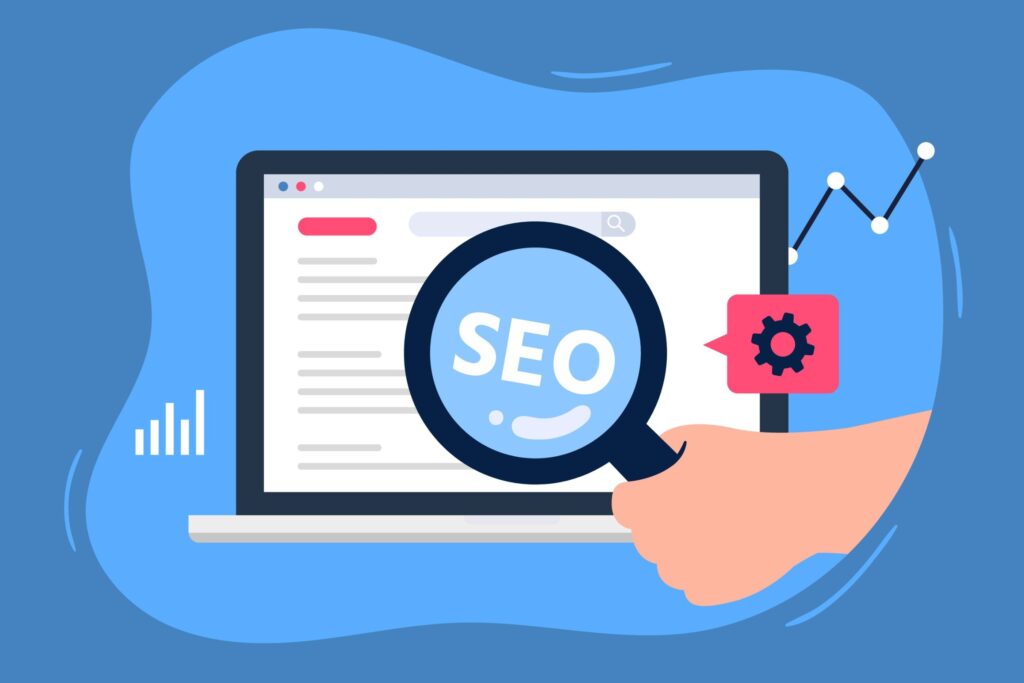
Let’s start with what seo services actually cover. Search engine optimization (SEO) is a set of strategies an SEO expert uses to help a website rank higher in search results. When your pages are easier for search engines to understand and trust, they are more likely to rank higher, attract clicks, and drive qualified visitors.
The Importance of the Algorithm
SEO makes more sense once you understand how search engines process information:
- Crawling: Automated programs (often called crawlers) scan the web to discover new or updated pages.
- Indexing: Search engines store and organize what they find using signals like content topics, keywords, and metadata.
- Ranking: When someone searches, the system orders results based on relevance, quality, and credibility.
SEO Is How You Communicate With Search Engines
With SEO, you show Google why your site deserves visibility for the searches that matter to your business. Some improvements are content-facing, and others are technical.
On the content side, SEO includes using relevant keywords naturally, adding helpful internal and external links, and building a clear structure with easy-to-scan headings.
On the technical side, SEO focuses on essentials such as metadata, mobile performance, site speed, and ensuring images and videos load correctly.
Together, these updates help search engines understand your pages and help visitors navigate them with less friction. That’s why many businesses choose to work with a search engine optimization agency or a full seo agency.
Covering every moving piece without an in-house specialist can be difficult. If you’re considering hiring an seo company, we also put together a guide on what to expect when working with a professional team.
What Do We Mean by UX?
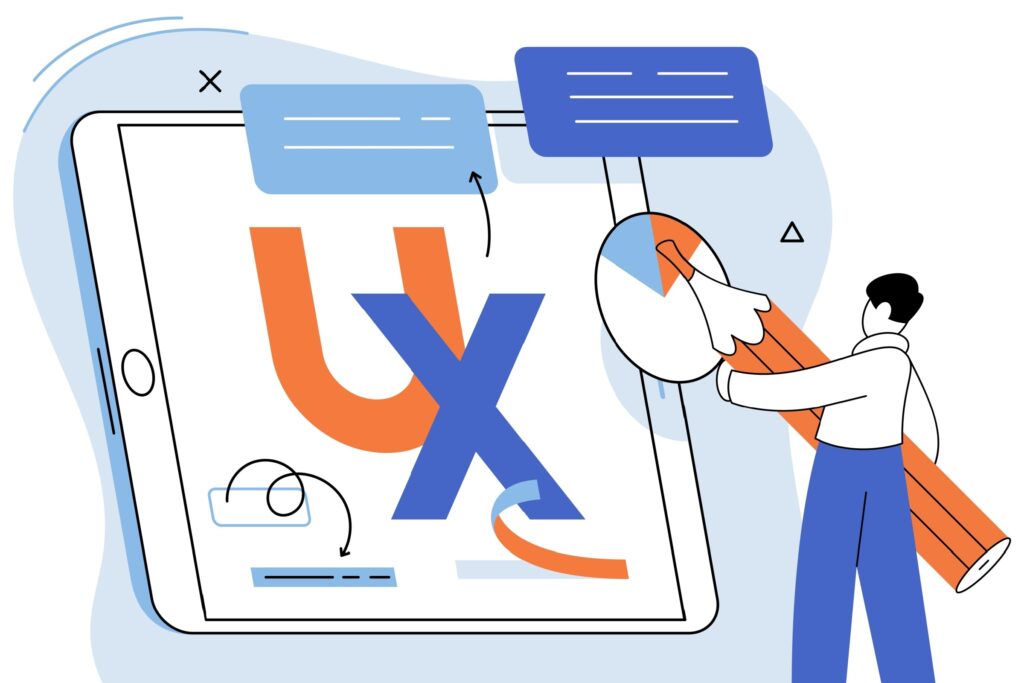
On the other hand, we have User Experience (UX) in web design. UX refers to the design and web development choices that shape how visitors experience your website once they land on it.
It’s about making sure real people can find what they need quickly, understand what you offer, and complete actions without frustration. At the same time, a well-built UX also helps search engines interpret your site’s quality. That’s why UX is closely connected to SEO.
UX-focused web development aims to ensure your site runs smoothly and functions reliably across devices. If something breaks, loads slowly, or feels confusing, UX is usually at the center of the problem. A page that won’t load, a menu that doesn’t work on mobile, or a contact form that fails are all issues that can hurt both your user experience and your search visibility.
How UX Improves Your Site Quality
Making your website’s user experience (UX) awesome means more than just looking good. It’s about designing a super clear, quick, and easy journey that makes visitors feel confident and excited to take the next step.
To do that, UX designers focus on these key areas to make your website truly shine:
- Conversion optimization: Good UX removes friction. Clear CTAs, simple forms, and easy-to-follow pages help visitors take action.
- Design that keeps people on your site: Clean layout, readable text, and intuitive navigation make your site feel trustworthy and easy to use, encouraging people to stay longer.
- Technical metrics: Fast load times, mobile-friendly performance, clean web development, and accessibility improvements support both usability and SEO signals.
If you are interested, you can read more in this guide we wrote on how website design services can win or lose you clients.
How SEO and UX Work Together

SEO and UX have a symbiotic relationship. Both are focused on improving your website and boosting its performance. Their goal is the same: bring the right people to your site and make it easier for them to take action.
The difference is in what each one focuses on. Search engine optimization is more concerned with content, search intent, and the signals that help pages rank. On the other hand, UX is about how that content is presented and how people interact with it once they arrive.
SEO helps people find your site, while UX shapes what they experience once they get there. Good UX makes your content easier to follow and helps guide visitors toward conversion. At the same time, SEO works best when the site is clear, credible, and technically sound, which is where UX and web development come in.
The Benefits of Combining SEO and UX Design
When SEO and UX are integrated, the results are stronger. Semrush suggests a good bounce rate is 40% or lower; 60% or higher often signals unmet user expectations. Therefore, UX improvements directly boost SEO.
Some advantages of good SEO + UX design are:
- Higher search rankings because search engines favor well-structured, user-friendly websites
- Stronger conversions since clear design and relevant content guide visitors toward action
- Improved credibility because professional website design services signal trust and authority
Real-Life Examples of Combining SEO and UX Strategies

To better understand how these two disciplines connect, let’s look at a few practical examples where SEO and UX strategies overlap:
SEO On-Page
On-page SEO covers elements like title tags, meta descriptions, URLs, and heading structure. These also support UX by helping users understand what to expect before they click, which makes it easier for them to choose the right page.
Structure and Navigation
Site structure matters for both SEO and UX. Search engines use it to understand which pages are most important, while visitors rely on it to move through your site easily. Clear navigation and strong internal linking make content easier to find for both users and search engines.
Improving Speed and Metrics
Page speed is another area where SEO and UX overlap. Metrics like Core Web Vitals help measure search performance, but they also reflect the user experience. Faster pages feel smoother, reduce frustration, and support better web design & development overall.
Key Takeaways
SEO and UX work best when they support each other. Together, they help your site rank better and perform better for real users:
- Why UX matters for SEO: better usability supports better search performance.
- SEO drives traffic. UX helps convert it.
- Good structure supports both rankings and navigation.
- Custom website design improves clarity and trust.
- A skilled web design company or web design agency can combine strategy with affordable seo services.
Need a Team That Can Handle Both SEO and Web Design?
MRKT360 is a web design agency and SEO partner helping businesses build better websites and stronger online visibility. We provide custom website design, SEO strategy, and support for businesses in Vaughan, Richmond Hill, Toronto, Canada, and beyond.
If you’re looking for the best web design company to improve both performance and user experience, we’re ready to help.
Schedule a consultation with MRKT360 today.
FAQs
- What UX elements does MRKT360 focus on during SEO optimization?
MRKT360 focuses on elements that affect both usability and search performance, such as page structure, navigation clarity, mobile responsiveness, and loading speed. We also review content hierarchy, internal linking, and calls to action to ensure visitors can easily move through the site.
- Can improving UX help increase organic traffic?
Yes. When a website is easier to navigate, faster to load, and clearer to understand, visitors tend to stay longer and engage more. These signals can support search engine optimization efforts and help improve organic visibility over time.
- Is SEO and UX optimization suitable for all types of websites?
Absolutely. Whether it’s an e-commerce store, a service-based business, or a content-driven site, both SEO and UX improvements help users find information and complete actions more easily. The specific strategy may vary, but the principles apply to almost every website.
- How does MRKT360 measure the impact of UX on SEO performance?
We track metrics such as bounce rate, time on page, engagement, conversion rates, and page speed. These indicators help us understand how users interact with a site and whether UX improvements are supporting better SEO performance.
- What role does page speed play in SEO and UX optimization?
Page speed directly affects how users experience a website. Faster pages reduce frustration and help visitors access content quickly, while search engines also consider speed as a ranking signal.
- Can UX optimization support long-term SEO results?
Yes. A website that is easy to use, well structured, and technically sound tends to perform better over time. Continuous UX improvements help maintain strong engagement and support long-term SEO growth.