


Why High-Converting Web Design Drives Business Growth in 2026
If your business has a digital presence, you probably already know that good web design matters for attracting customers and increasing sales. But good web design is about more than appearances. It affects how people move through your site, how much they trust your business, and whether they actually take action.
That is where many businesses struggle. They know they need a better website, but they are not always sure what that really means or where the biggest improvement opportunities are. A strong website is not only about looking modern. It should support your goals, reflect your brand, and make it easier for visitors to become leads or customers.
In this article, we will look at what makes a high-converting website, why website design is important for business growth, and how UX UI design for websites connects to SEO and conversion rate optimization (CRO). We will also cover practical ways to improve performance in 2026.
What Do We Mean by a High-Converting Website?
In simple terms, a high-converting website is a site designed to drive action. That action might be a purchase, a form submission, a booked consultation, or a phone call. It is built to guide visitors toward a clear goal rather than leaving them to figure things out on their own.
To do that, a high-converting website usually includes clear messaging, strong calls to action, easy navigation, fast load times, and a layout that makes information easy to find. Good custom website design helps remove friction and guide people through the experience in a way that feels natural.
How Can You Tell if Your Site Is High-Converting?
The clearest way to measure that is through your conversion rate.
Your conversion rate is the percentage of visitors who complete a desired action on your site. The formula is simple: divide total conversions by total visitors, then multiply by 100.
For example, if your website gets 50 conversions from 500 visitors, your conversion rate is 10%.
That number gives you a useful benchmark, but it should not be the only thing you look at. A site may technically convert, but still leave room for improvement if users struggle to navigate it, hesitate to trust it, or abandon key pages before taking action. That is why how website design increases conversions is not just about one number. It is about improving the entire experience.
Moreover, you have to consider that conversion rates vary significantly by industry. While the overall average median conversion rate is 6.6%, industry-specific rates differ: entertainment is higher at 12.3%, and SaaS is lower at 3.8%.
The Importance of Having a High-Converting Website

The most obvious benefit is revenue. More conversions usually mean more leads, more customers, and more sales. If your site already gets steady traffic, even a small improvement in conversion rate can have a meaningful impact on results.
But understanding why website design is important for business growth goes beyond direct revenue. A well-designed website can also improve trust, strengthen brand perception, and help your business stand out in a crowded market. These things may feel less tangible at first, but they matter a lot when people are comparing options online.
That is why working with the right web design company, web design agency, or best web design company is not just about making your site look better. It is about building a site that supports business growth. Strong website design services should help your website perform better, not just look more polished.
Website Design, SEO, and UX: The Bigger Picture
Your website design alone is not the only thing that drives conversions. Search visibility also matters. If your site is easy to use but your content does not connect with what your audience is searching for, you are likely missing opportunities.
That is why SEO, user experience, and web development need to work together. Good web design & development help create a site that search engines can understand and that users can navigate with ease. Strong copy, clear page structure, fast load speed, and thoughtful website performance optimization all contribute to better results.
In other words, your site needs to do two things well. It needs to bring in the right people and help them take action once they arrive. That is the real value of strategic web design.
Top 3 Strategies to Improve Your Website
If you want better performance, start by making your website easier to understand. That means knowing what your audience wants, what they expect from your site, and what action you want them to take. No matter what type of website you are building, these three strategies can help improve the experience and support how to improve website conversion rate.
Mobile-First Design for Increased Conversions
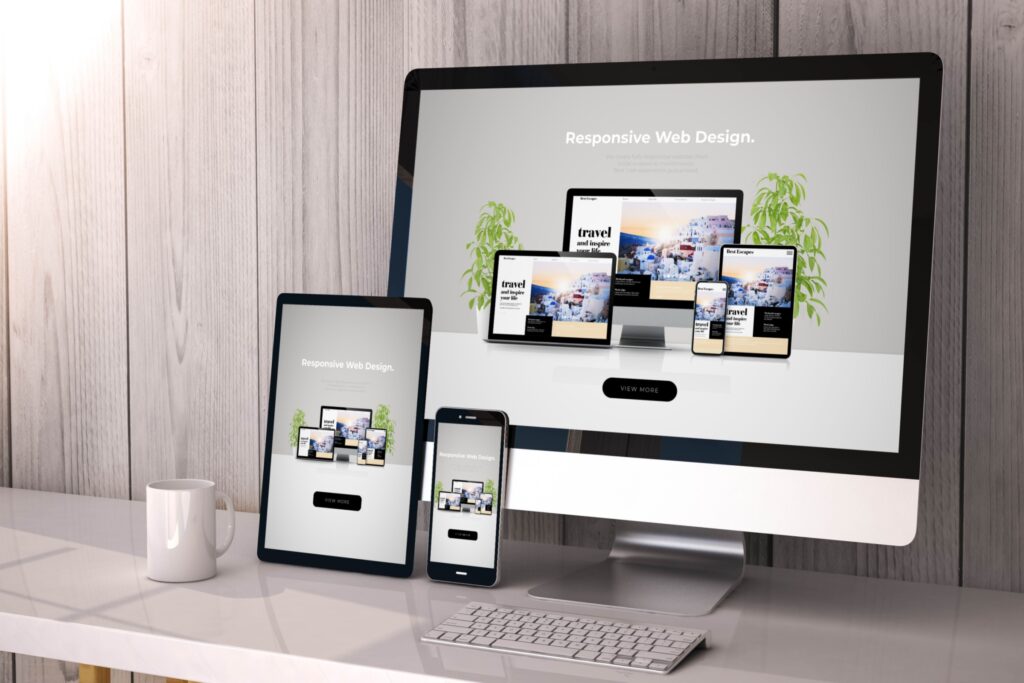
A mobile-friendly website design is essential in 2026. More people are browsing, researching, and making decisions on their phones, so your site needs to feel just as easy to use on mobile as it does on desktop. Clear text, simple navigation, fast load times, and easy-to-click buttons all make a difference. If users have to pinch, zoom, or guess where to tap, conversions are much more likely to drop.
Interactive Elements That Guide the User
Some of the most effective elements of a high-converting homepage are the ones that guide users naturally through the page. Clear calls to action, sticky buttons, service comparison blocks, calculators, tabs, and other simple interactive features can help visitors move forward with more confidence. The goal is to use interaction in a way that improves clarity and supports the user journey. That is one of the most useful modern website design trends to keep in mind.
Optimizing Forms for More Leads
Forms are often a major friction point on a website. If they are too long, poorly written, or placed in the wrong part of the page, people will leave without converting. Optimizing forms means asking only for the information you really need, making instructions clear, and keeping the process as simple as possible. This is one of the easiest website design best practices to apply, and it can make a real difference in conversion rate optimization (CRO).
Why Website Optimization Should Never Be a One-Time Project

Your website should never be treated like a finished product. A site that performs well today may not perform the same way six months from now. Buyer expectations change, browsing habits shift, and user behavior continues to evolve across search, mobile, and AI-driven discovery.
That is why ongoing improvement matters. Decisions should be driven by analytics, user data, and real performance signals, not assumptions. If visitors are dropping off, ignoring your calls to action, or abandoning forms, your data will usually show you where the problem is. The businesses that keep improving are the ones that keep testing, adjusting, and responding to what users actually do.
That matters even more in 2026. People are comparing businesses more quickly, researching in different ways, and expecting websites to provide answers with less effort. Something that worked before may not work today. Ongoing web development, content updates, and design improvements help your website stay aligned with how buyers behave now.
Key Takeaways
A strong website does more than make a good first impression. It helps people understand your business, trust your brand, and take action. That is why investing in web design is really an investment in growth. For businesses in Canada, especially competitive markets like Vaughan and Toronto, the right website can become one of your most valuable sales and marketing tools.
- A high-converting website is built to guide users toward clear actions.
- Good web design improves trust, usability, and conversion potential.
- SEO, UX, and web design & development work best when planned together.
- Mobile-first design, guided interaction, and better forms improve performance.
- Ongoing optimization matters because buyer behavior keeps changing.
Ready to Turn Your Website Into a High-Performing Asset?
Mrkt360 is a Toronto-based web design company and marketing agency that helps businesses build customized, high-performing websites designed to convert.
Our team can support your custom website design, content creation, SEO, and ongoing optimization to keep your site improving over time. If you are looking for website design services in Canada, including Vaughan and Toronto, schedule a consultation with us today.
FAQs
- What defines a high-converting website in 2026?
A high-converting website is built to guide visitors toward a clear action, whether that is making a purchase, filling out a form, or booking a consultation. In 2026, that also means fast performance, mobile-friendly design, clear messaging, and a user journey with as little friction as possible.
- How does strategic website design directly contribute to business revenue growth?
Strategic website design helps more visitors take action, leading to more leads, sales, and booked consultations without necessarily increasing traffic. It also builds trust and makes the buying process easier, supporting stronger long-term growth.
- Which core design elements influence user decision-making online?
Some of the most important elements include clear headlines, strong calls to action, intuitive navigation, fast load times, and a clean page layout. Trust-building visuals, simple forms, and well-placed content also help users feel more confident about moving forward.
- How does seamless user experience (UX) increase lead generation and sales?
A seamless UX removes confusion, making it easier for visitors to find what they need and take the next step. When people can navigate your site quickly and without frustration, they are more likely to convert.
- Why is mobile-first design essential for maximizing conversions today?
More people now browse and compare businesses on their phones, so a poor mobile experience can quickly cost you leads and sales. Mobile-first design helps ensure your website stays easy to use, fast, and conversion-focused on every screen size.
- Why do trust signals like testimonials, case studies, and security badges drive higher conversions?
Trust signals help reduce hesitation by showing visitors that your business is credible, experienced, and safe to engage with. When people feel reassured, they are more likely to submit a form, make a purchase, or contact your team.