

Google In-Market Audience Advertising
Reach people who are actively researching, comparing, and preparing to buy with Google In-Market audience targeting managed by MRKT360.
lift in brand awareness from affinity and in-market audience targeting in Google’s Canadian data-driven targeting study
lift in brand favourability from affinity and in-market audience targeting Google’s Canadian data-driven targeting study
campaign environments can support in-market segments, including Search, Display, Standard Shopping, Video, Gmail & DV360
of internet users worldwide can be reached through GDN, giving in-market audience campaigns broad visibility across the web
HIGH INTENT
Reach Buyers While They Are Actively Deciding
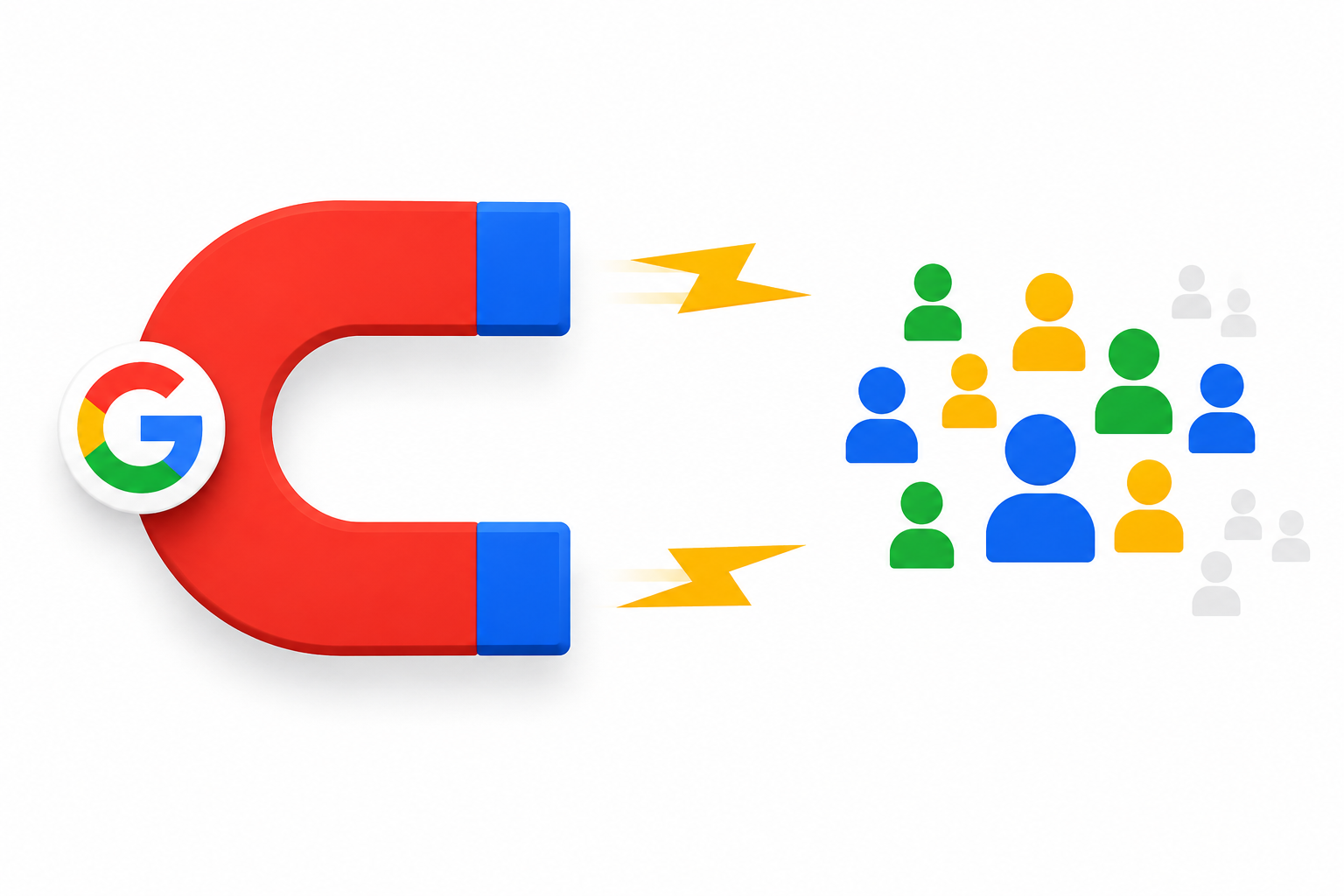
Google In-Market Audiences help advertisers reach people who are actively looking to buy. Instead of targeting broad interests alone, these audience segments use real-time intent signals from Google properties and partner sites to identify users who are researching, comparing options, and moving closer to a purchase decision.
WHAT IT IS
Google-Defined Segments Based On Purchase Intent
In-Market Audiences are Google-defined audience segments built around near-term purchase intent. These segments help identify users in the shopping phase for categories such as home services, vehicles, software, education, financial products, and many other commercial verticals.
For businesses focused on better lead quality, stronger conversion rates, and less wasted spend, In-Market targeting can be a powerful option. MRKT360 uses these audiences strategically, pairing intent segments with campaign structure, creative relevance, conversion tracking, and performance optimization.
WHY IT WORKS
Intent Targeting Built For Better Decisions
In-Market targeting helps campaigns move beyond broad awareness by focusing budget on users who are showing stronger buying behaviour. MRKT360 turns those signals into practical targeting strategies that support lead generation, sales growth, and cleaner performance reporting.

Stronger Intent
Reach active buyers researching, comparing, and showing purchase readiness.

Quality Leads
Focus spend on audiences more likely to take meaningful action, not just casual browsers.

Less Waste
Reduce budget lost to poorly matched audiences by aligning targeting with real buying signals.

More Conversions
Support stronger conversion rates by reaching people closer to making a buying decision.

INTENT VS INTEREST
Why In-Market Is Different From Interest Targeting
Interest-based targeting focuses on longer-term preferences, hobbies, and general affinities. In-Market targeting focuses on near-term intent: people who appear to be actively evaluating a product or service category right now.
That difference matters. A user interested in home improvement may not need a contractor today, but someone showing In-Market signals for home services may be comparing providers, checking options, and preparing to request a quote. MRKT360 helps businesses understand this distinction and use it to build more efficient Google Ads campaigns.
OUR METHOD
How MRKT360 Builds In-Market Campaigns
1.
Audience Mapping
We identify the In-Market segments most aligned with your services, sales cycle, customer value, and lead quality goals.
2.
Campaign Alignment
We connect intent audiences with the right search, display, video, or remarketing structure so targeting supports the full funnel.
3.
Message Matching
We shape ad copy, landing page direction, and offers around the questions buyers ask when they are close to deciding.
4.
Performance Refinement
We review search terms, conversion quality, audience performance, and spend efficiency to improve results over time.
SMARTER SPEND
Make Google Ads Work Harder For Qualified Demand
In-Market targeting is strongest when it is not treated as a simple audience checkbox. It should be connected to your keyword strategy, creative message, bid approach, budget allocation, landing page experience, and conversion tracking.
MRKT360 helps businesses use In-Market audiences with discipline. We evaluate where intent segments can improve performance, where they may create overlap, and how to measure whether they are producing better leads instead of just more clicks.
FAQ
Google In-Market Audience Advertising FAQ
Google In-Market Audiences are audience segments based on purchase intent. They help advertisers reach people who are actively researching, comparing, or preparing to buy products and services in specific categories.
Affinity audiences focus on longer-term interests and lifestyle signals. In-Market audiences focus on near-term buying behaviour, making them a stronger option when the goal is lead quality, conversions, and efficient spend.
Many businesses can use In-Market targeting, including home services, automotive, software, education, financial services, ecommerce, and professional service companies. The right fit depends on your offer, audience, sales cycle, and campaign goals.
Yes, when it is set up strategically. By focusing on people showing stronger purchase intent, In-Market targeting can help reduce wasted clicks and improve the quality of traffic moving through your funnel.
MRKT360 connects audience strategy with campaign structure, creative messaging, conversion tracking, and ongoing optimization. We focus on reaching higher-intent users while improving performance clarity and budget efficiency.
Strategy That Works
Why Businesses Trust Us
Partnership Mentality
We treat your business like our own, aligning strategy with your long-term vision and growth goals.

Accountability First
We stand behind our work. Clear reporting, clear expectations, and a commitment to continuous improvement.

Transparent Communication
You always know what we’re doing, why we’re doing it, and how it’s performing. No confusion. No hidden tactics. Just clarity.
GET STARTED